


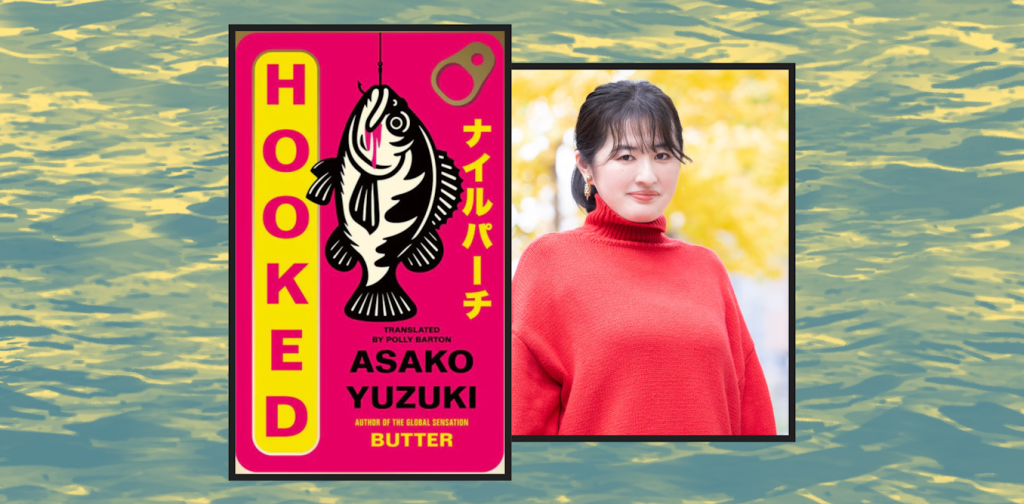

After the sensational reception of her novel Butter (2017, translated into English in 2024), Asako Yuzuki is back with Hooked (translated by Polly Barton) – a novel about loneliness and the sometimes twisted and complicated relationships between women.
The book revolves around two very different women in their 30s in Tokyo. Eriko is a career-driven woman with a stable income in a trading company, born and raised in Tokyo. Shōko is a housewife and blogger who writes about her daily life with her husband.



Despite having taken such different life courses, what they have in common is a sense of loneliness and a struggle to create meaningful connections with other women. When the pair form an unlikely and intense friendship, they experience a brief euphoric connection, feeling like they have become “an invincible duo” for a while.
Japanese fiction in translation, especially contemporary women’s writing, is on the rise. Bestselling translated fiction from Japan – from Sayaka Murata’s Convenience Store Woman (2018) to Emi Yagi’s Diary of a Void (2024) – often focus on single women in Tokyo. Not necessarily career-driven or looking for success in a corporate world, they also typically have no intimate partners or children.
To some extent, the main characters in these novels are not conventional heroines. They don’t need or want to be rescued by Prince Charming; instead, they navigate the expectations placed on them to offer care in other forms. Such pressure comes from their families, workplaces and, more broadly, from society. Amid all of this, they feel a profound sense of loneliness which mirrors growing concerns in Japan.
Japan has long grappled with the issue of severe social isolation. Often, the focus of this loneliness epidemic has been on young men; however, women are starting to feature more in such conversations.
The number of women referred to as hikikomori (extreme social recluses) is increasing. In a 2023 survey by the Japanese government, women represented 45% of hikikomori between the ages of 15 and 39, and 52% of those between 40 and 64. The survey found such social withdrawal was driven by a range of reasons, from domestic violence and abuse to financial hardship and job loss.
In Hooked, as the title suggests, female loneliness is explored through how it can give way to intense female friendships and the dangers of obsession.
Eriko appears to be the epitome of a modern city girl, raised by a happy family and holding a high-earning job. Yet her achilles heel is that she has never had close friendships with other women.
Infatuated with Shōko after their encounter, Eriko advances from being a fan of Shōko’s blog to first being her friend and then her stalker. Shōko, despite also feeling a sense of inferiority about not having female friends, is shocked by Eriko’s obsessive behaviour and rejects her suffocating approach. Their fallout leads to secrets, blackmail and coercion.
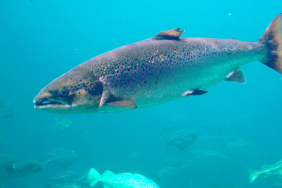
The Japanese title, Nairupāchi no Joshikai (Nile perch’s ladies night out), is indicative of the murkier elements in women’s relationships with each other. A Nile perch is a carnivorous fish that grows up to two metres long and weighs up to 200 kilos. Their literal involvement in the story comes from Eriko’s work: she has been preparing to reopen a trade route from Tanzania to distribute them to places like sushi restaurants.
Eriko’s fascination with the fish is not only for their business value, but also their ferocity. She admires how the Nile perch totally desecrates any surrounding ecosystem it enters:
Even in waters across Japan, ecosystems are being destroyed by the unregulated influx of invasive species. The creatures have to compete for food, ecosystems and mates. It doesn’t end until one of the species is wiped out. The result? The creation of a monster.
The Japanese title puts these monstrous fish into a joshikai, which translates as a meeting or gathering (会) of girls or women(女子). This is usually where women gather to eat, drink, chat, console each other and have fun. It is (hopefully) a place for them to support each other.
However, considering the ferocity and vitality of Nile perch, this novel recasts a joshikai as a site of intense competition for survival. As Eriko says to Shōko:
The reason that women’s competitiveness over minor issues like marriage, kids or looks stops them from getting along, even now, isn’t through any desire of their own. It’s because society foists all these standards on us. The world we live in is specifically designed to make us compete.
Yuzuki’s intense and obsessive novel explores the tensions of female solidarity through women seeking the hope and possibility of connection, in a quest to feel less lonely. It interrogates the difficulties that obstruct these connections and how they are rooted in gender inequalities, class differences and precarious employment.
What is fascinating about Hooked is how Yuzuki allows moments of madness to erupt into daily life. At times, the intensity of the characters can make it hard to keep engaging with the book, yet readers will find themselves drawn back to the lives of Eriko and Shōko. These characters are well-rounded figures, powerfully relatable for anyone navigating the complicated dynamics of gendered issues.












Comments are closed.