




Almost 305,000 doses of the morning-after pill were provided free of charge in England’s high street pharmacies in the first five months of the new contraception service, according to new NHS data (October 2025 to March 2026). This figure marks one of the biggest changes in access to emergency contraception in decades, putting a free morning-after pill within easier reach of millions of women.
The change is straightforward: women can now walk into most high street pharmacies and get the morning-after pill free of charge after a short, private consultation with a pharmacist or trained pharmacy technician. It removes the need to book a GP appointment, visit a sexual health clinic or wait for an appointment.


Under the new NHS Pharmacy Contraception Service, women will first be asked about their health, when they had unprotected sex and whether there are any concerns about safety or wellbeing. If the medicine is suitable, women receive it immediately.
Pharmacy teams can also discuss longer-term contraception, such as starting or continuing the regular oral contraceptive pill. Since early 2024, pharmacies have delivered over 1 million consultations for women continuing their pill and 192,000 consultations for women starting it.
Emergency contraception works best the sooner it is taken. The morning-after pill can prevent pregnancy after unprotected sex or contraceptive failure by delaying ovulation, meaning sperm cannot meet an egg.
It does not end an existing pregnancy. Two types are available in the UK. Levonorgestrel, often known by brand names such as Levonelle, is effective up to 72 hours after unprotected sex. Ulipristal acetate, sold as ellaOne, can be taken up to 120 hours after unprotected sex.
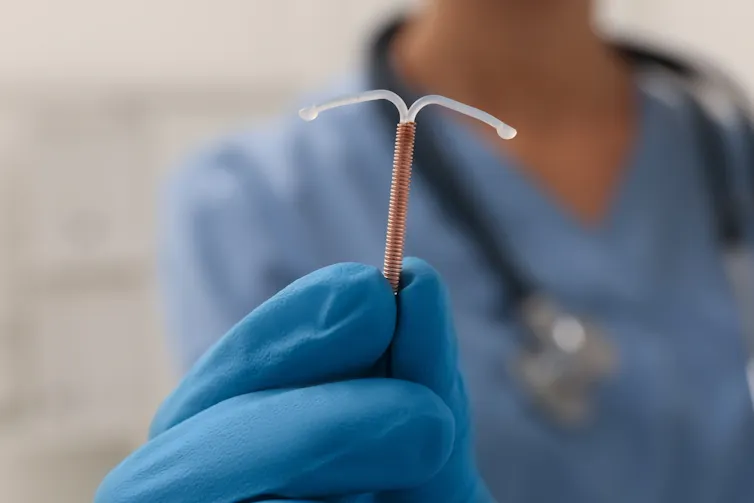
A copper intrauterine device (IUD) is another emergency option, effective up to five days after unprotected sex. Although this remains the most effective form of emergency contraception, it must be fitted at a clinic rather than a pharmacy.
Emergency contraception has been available in UK pharmacies for more than 20 years, becoming available to buy over the counter in 2001. For many years, some pharmacies also offered free supply through local schemes, meaning women in certain areas could already access it without paying.
What is new is that free supply is now a national NHS service. This means access is more consistent and no longer depends on where you live. Previously, women faced what the government described as a postcode lottery, with some areas offering free emergency contraception and others charging around £25 to £35 per dose.
Emergency contraception is safe for most women. Common side-effects include nausea, headache and mild abdominal pain. These usually pass quickly. There might also be changes to your next menstrual period.
The pharmacist will check whether the pill is suitable, including whether any medicines or supplements, such as epilepsy treatments or St John’s Wort (a herbal supplement commonly sold for low mood), could make it less effective.
Only a few specific situations require caution, for example, severe asthma, which is controlled with oral steroids, when women are taking ulipristal, or severe liver impairment for either morning-after pill.
You don’t need routine medical monitoring after taking the morning-after pill. If your next period is more than a week overdue or you experience any unusual symptoms, you should see your doctor.
Can I be refused the morning-after pill?
One question that often arises is whether pharmacists can refuse to provide emergency contraception. In the UK, a pharmacist can decline to provide it if they have a sincerely held religious or moral belief. However, they must refer a woman to another pharmacy that can supply it, ensuring they still receive timely care.
This safeguard is designed to protect access while respecting individual beliefs. In practice, refusals are uncommon, and most pharmacies have multiple staff members who can provide the service.
Pharmacies are central to improving access because they are so widely available. Around nine in ten people in England live within a 20-minute walk of a pharmacy, and many offer weekend or late opening hours. This makes them one of the most accessible points of care. The new service is already making a difference, especially at a time when access to GP appointments or sexual health clinics is often limited.
The expansion of free emergency contraception and ongoing oral contraception through pharmacies is part of a broader effort to modernise reproductive healthcare. Early figures suggest strong demand, with hundreds of thousands of women already using the service in the first few months.




















Comments are closed.