


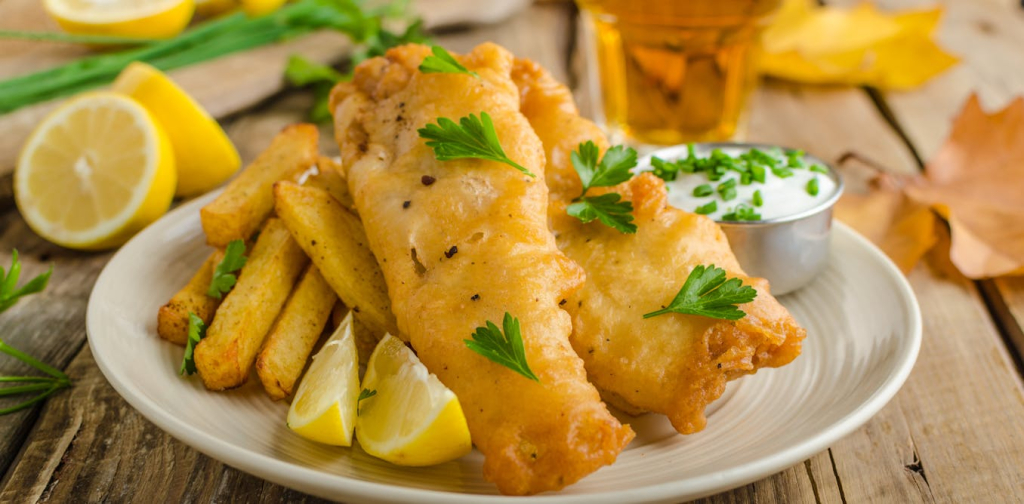

Diners may soon need to rethink a staple of the classic English fish supper. The Marine Conservation Society, an environmental charity in the UK, recently downgraded all UK cod stocks and removed them from its list of sustainable seafood.
The Marine Conservation Society’s Good Fish Guide, a tool designed to help consumers make sustainable seafood choices, now lists Atlantic cod from the Arctic, northern shelf, and British seas with the worst possible rating: “avoid”. This reflects severe declines in population status.



The guide recommends that cod lovers seek out fish from further north, from Icelandic waters, where it’s still available in quantity. But the cod served up in most fish and chip shops right now should be considered under threat and avoided, unless specified as Icelandic.
This warning echoes one of the most dramatic collapses in fisheries history, the collapse of Newfoundland cod stocks in Canadian waters in 1992. Despite mounting scientific warnings, fishing continued until stocks crashed, triggering a moratorium that put tens of thousands out of work. More than 30 years later, recovery remains incomplete. The lesson is clear: once a fishery collapses, recovery is slow and uncertain. Yet current trends suggest that we are not heeding the lessons of history.
The rise of cod
The English love affair with cod goes back a long way. Archaeological evidence shows that cod was traded as early as the Viking age, driven in part by the rise of Christianity across Europe. Dried and salted cod – a protein-rich food which could be stored for months without spoiling – offered an alternative to meat on Fridays and during Lent, fuelling the growth of the cod trade.
Even centuries ago, consumer demand may have outstripped local supply. Analysis of fish provisions from the sunken Tudor warship Mary Rose suggests some cod was sourced from distant waters, including Iceland.

This demand intensified with industrialisation. As cities expanded, so did the need for cheap protein. Enter the national dish: fish and chips. Cod was no longer salted or dried but fried. Its dominance was enabled by the introduction of steam-powered trawlers and the use of ice in the late 19th century, which allowed British fleets to fish further and more intensively.
Cod landings subsequently boomed, drawing heavily on stocks in northern Atlantic waters. Following the mid-20th century cod wars, the cod eaten in the UK was increasingly imported from locations such as Iceland, although local fisheries continued to contribute to our beloved fish supper. But poorly managed fisheries, with fishing quotas often set above scientific advice, led to declines in stocks around the UK.
Why are cod not recovering?
Today, cod populations around the UK are so depleted that the International Council for the Exploration of the Sea (ICES) has advised zero catches for some stocks for several years. Yet catch limits have consistently been set above scientific advice, for example, allowing catches of around 14,000 tonnes of North Sea cod in 2026. This is no exception as 58% of all UK fishing quotas for 2026 exceed recommendations from ICES.
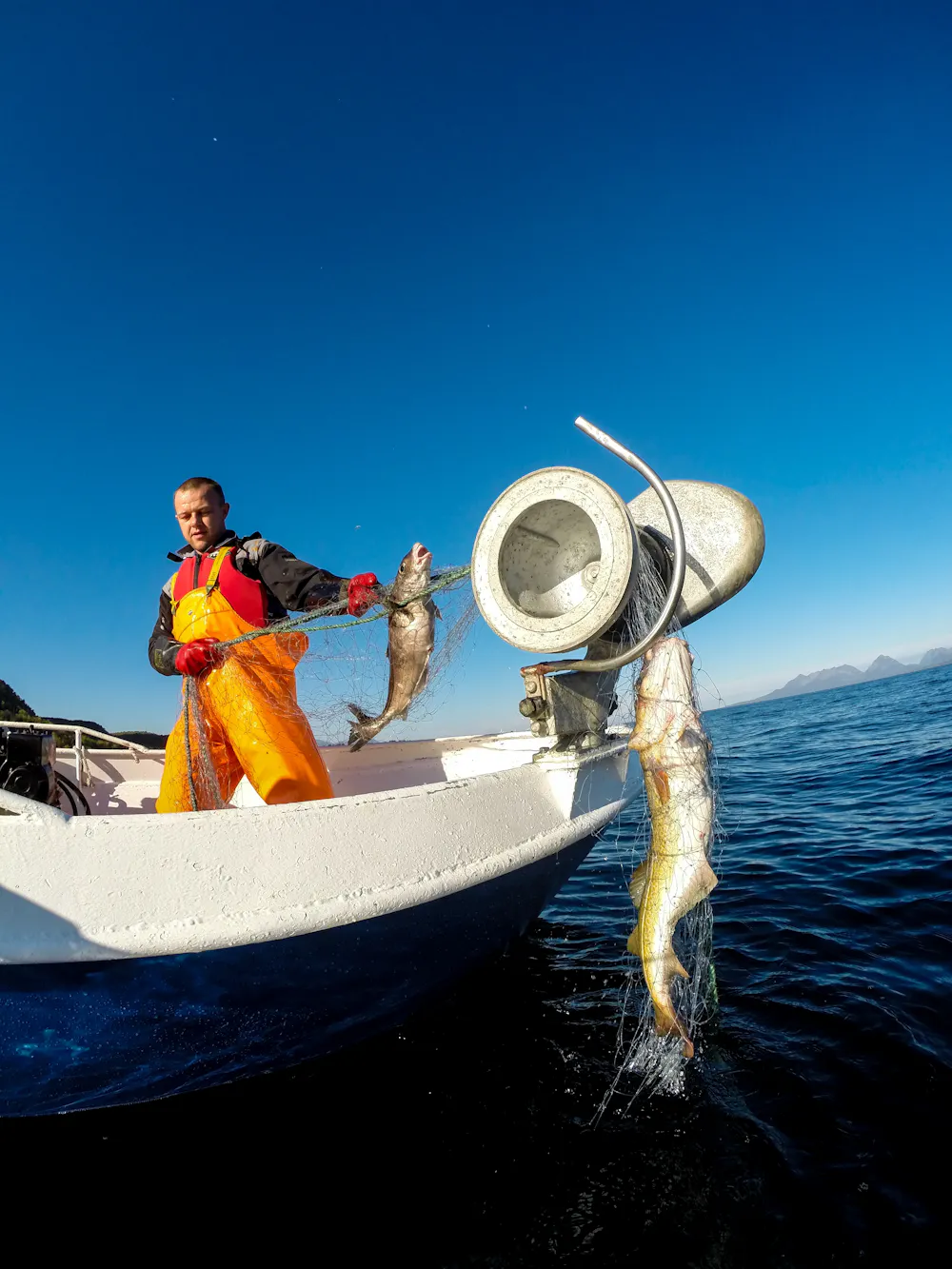
Even where quotas are reduced, recovery is hampered by how many fisheries operate in practice. Cod are frequently caught in mixed fisheries that primarily target other species such as haddock. However, the use of unselective and destructive gears such as bottom trawls (heavy fishing nets that get dragged along the seabed) means that cod continues to be removed from the ecosystem, even when it is not the intended target.
Climate change adds further pressure. As waters warm, cod are forced northwards or into deeper waters, disrupting ecosystems and fisheries. Warmer seas can also affect reproduction, reducing the survival of eggs and larvae, while changes in ocean currents and availability of prey make it harder for populations to recover.
Together, these factors mean that the outlook for local cod stocks is increasingly dire.
Read more: Half the UK’s fish stocks are overfished – but the evidence shows how they can be revived
The future of cod in the UK
Despite these challenges, cod is likely to remain on the menu. But where it comes from – and how it is managed – matters. Not all cod stocks are in crisis.
Atlantic cod that is caught in Iceland’s waters by long lines and nets, for example, remain a “best choice” on the Good Fish Guide. This reflects the use of fishing gears with lower risk of damage to ocean habitats plus strong management aligned with scientific advice. Similarly, other fisheries show that recovery is possible when limits are set and followed appropriately, although climate change adds increasing uncertainty for many species. In contrast, Atlantic cod caught from stocks in the Arctic, North Sea and other seas around Britain are all labelled “avoid”, regardless of how they are caught.
This makes our roles as consumers that much more complex – and important. Asking where fish comes from and how it was caught can help drive demand towards better managed stocks. If that information is unavailable, switching to alternatives, such as hake, can reduce pressure on depleted cod populations. If you are not sure, check for the stocks and catch methods labelled green on the Good Fish Guide, or that have been awarded a blue tick from the Marine Stewardship Council.
Our long relationship with cod has shaped diets, economies and cultures. But history shows that without stronger alignment between science, policy and informed consumer choice, the future of cod in the UK may be far from guaranteed.
















Comments are closed.