



Trigger warning: this article includes references to infant death and institutional abuse
If you’ve been to a museum about the history of medicine or surgery you’ve probably seen loads of preserved human remains that have been used as teaching aids or in scientific research.



At London’s Hunterian Museum at the Royal College of Surgeons you can see human tissue like the Evelyn tables from the 1600s. These display the dissected system of arteries, nerves and veins from an unknown adult, which were then pasted on four boards.
But it’s often not just adult remains on show and it is common to see those of fetuses and infants among collections.
Museum Vrolik in Amsterdam in the Netherlands boasts an acclaimed collection featuring embryos, preserved fetuses with congenital anomalies, and foetal skeletons. These remains are normal viewing at such institutions and are often presented as neutral repositories of scientific knowledge. However, who they belonged to and how they were obtained rarely feature alongside how scientists used or learned from them.
Our research into a skeletal collection of fetuses and infants from early colonial New Zealand, held in the W.D. Trotter Anatomy Museum at the University of Otago, reveals how deeply embedded inequity was in the making of these collections. We examined how societal control – from birth through to death – shaped whose babies bodies were taken and why. What emerges is a stark picture that anatomical collections are not just scientific resources but records of power, marginalisation and loss.
We found that the fetuses and infants in the anatomy museum’s collection were disproportionately drawn from society’s most vulnerable who had little power to refuse to relinquish their dead baby. In particular, those born outside of marriage or with congenital conditions and to mothers who were institutionalised were far more likely to be acquired into medical collections. This collection was amassed during the 19th to early 20th centuries when eugenic thinking prevailed in colonial New Zealand and the west, deeming certain lives “unfit” and their children as expendable.
The very building of anatomy collections relied on historic social inequities. For the marginalised in society, harsh living conditions and social judgement shaped both their risk of dying and what happened to their bodies after death.
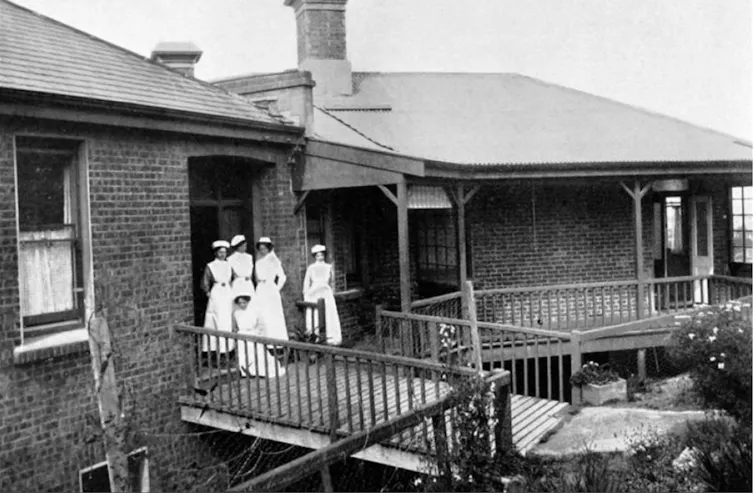
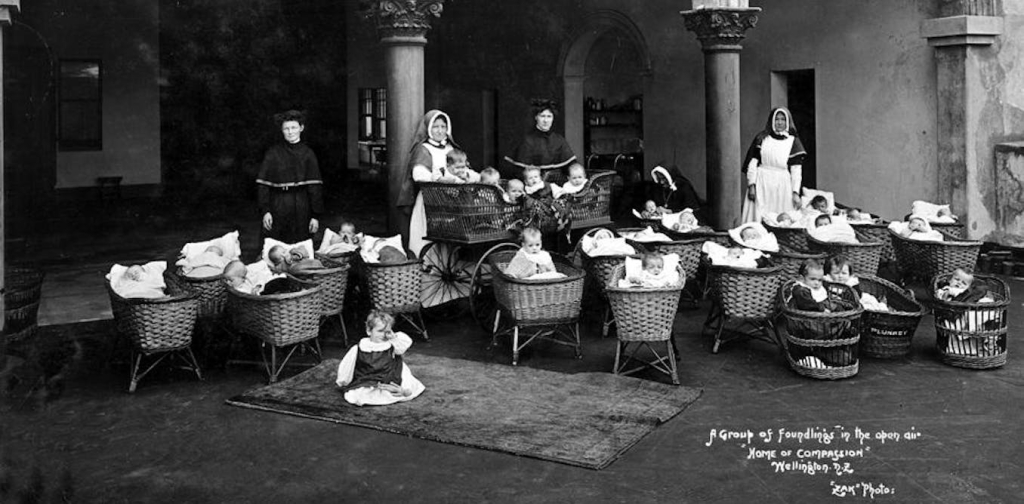
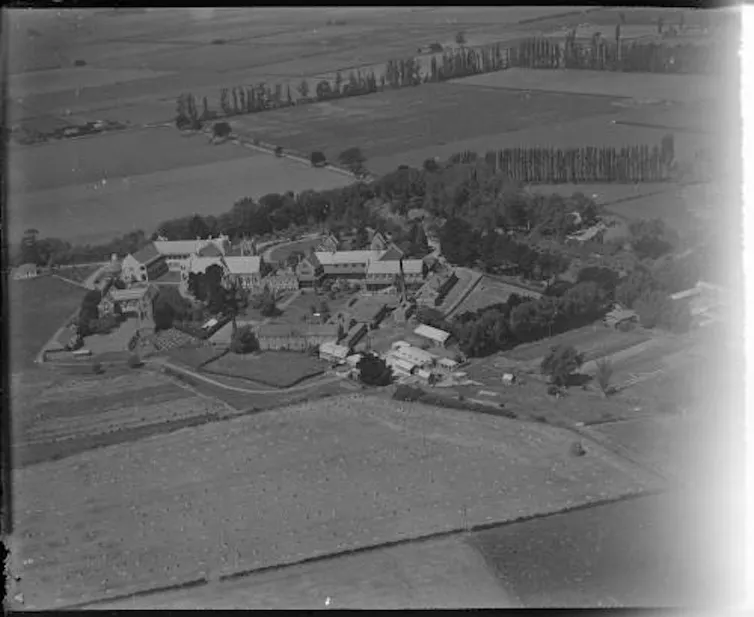
During this period, unmarried pregnant women and mothers faced intense scrutiny and control. Many were confined to mother and baby homes designed to reform “fallen women”. These institutions frequently enforced regimes of labour and moral discipline, under the premise that hardship would cleanse perceived moral failings. Investigations and historical research of these institutions in countries including Ireland, England, the US, Canada, Sweden, Australia and New Zealand have since revealed systemic abuse ranging from forced adoptions to neglect and high infant mortality.
The increase in medical intervention during childbirth at this time meant that delivery increasingly took place under institutional supervision. This meant that women were subjected to environments dominated by male doctors operating within patriarchal systems that afforded women little autonomy.
Babies labelled illegitimate were more likely to be born in under-resourced institutions and less likely to survive. If they died, their mothers often had little say over burial arrangements. Under anatomical legislation at the time in New Zealand, doctors could retain bodies for scientific use, sometimes without parental knowledge or consent.
Grief, too, was tightly socially controlled. Medical and institutional practices often removed deceased infants swiftly, based on assumptions that mothers would be better off not seeing or mourning them. Some of the smallest fetuses were treated as clinical waste, with no recognition or burial. They were, however, often acquired for anatomy museums and teaching. Reproductive loss, including miscarriage and infant death, was largely hidden from view, reinforcing silence and isolation.
Once incorporated into the W.D. Trotter anatomy collection, these babies were effectively stripped of their identities. We found that there was little connection between physical remains and individual records, likely because biographical information was not seen as important in how the remains illustrated development and pathology (the study and diagnosis of disease). Once in anatomy collections they became specimens, catalogued and displayed without names or histories.
Several infants in the collection had congenital differences. While eugenic ideas devalued such lives, their bodies were simultaneously sought after as interesting pathological “specimens” by physicians. The bodies of people with disabilities have been acquired into anatomical collections throughout history.
One archival entry in the W.D. Trotter Anatomy Museum collection described an infant transported from outside the region with the label “Imperfect development. Anencephaly. Monster”. This is a stark illustration of how language and science combined to dehumanise. These were not random acquisitions; they reflect targeted collecting practices shaped by medical priorities and social prejudice.
The stories held within these museums are not only about biology or medical progress. Hidden beneath are important but harrowing stories of inequality, control and the long reach of stigma. Understanding the social forces in the origins of these collections forces us to confront uncomfortable questions about whose lives are valued, both in the past and today.
Our work is dedicated to the babies who died and were subsequently kept in the W.D. Trotter Anatomy Museum. We honour their memory, along with the memories of all babies held in collections around the world.


















Comments are closed.