


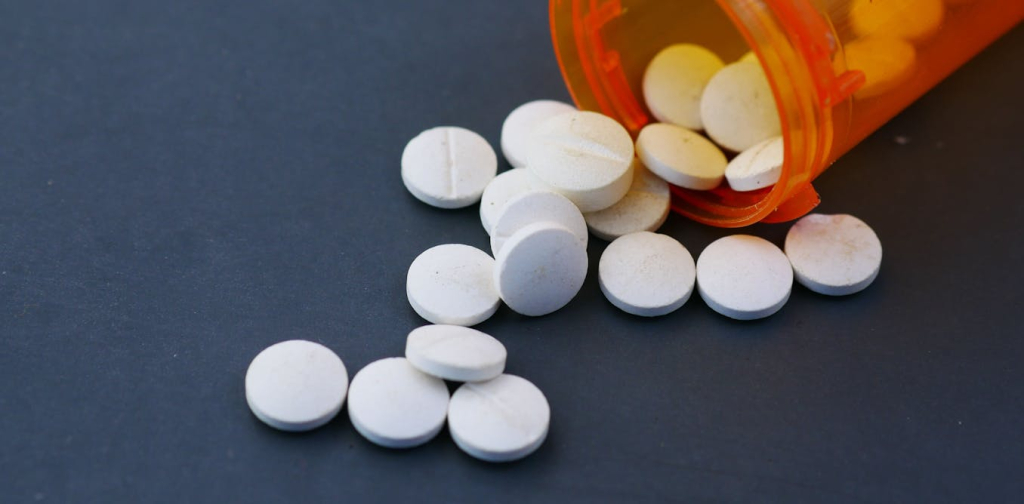

If you are in severe pain and struggling to get opioid medication in Indonesia, you are not alone.
Despite the International Narcotics Control Board (INCB) recognising several therapeutic opioid as essential medicines, Indonesia has one of the lowest levels of medical opioid use in the region, far below global and regional standards.



Indonesia consumes only 26 opioid doses per million people per day, compared with 1,467 doses in Malaysia and 200 in Timor-Leste.
The problem is not a lack of medical need. It is government policy, our research shows.
One complicating factor is the government’s strict political approach to narcotics, which prioritises consideration of potential harms over the real clinical need of patients to access essential medicines.
Why are opioids so difficult to access?
Therapeutic opioids are standard treatment for severe pain, including for cancer, post-surgical and palliative care. They work by blocking pain signals from the body to the brain.
Indonesia’s National Essential Medicines List contains several strong opioids, such as morphine, pethidine, methadone, fentanyl, remifentanil, hydromorphone, and sufentanil.
These opioids are different from what are sometimes referred to as ‘weak’ opioids such as codeine and tramadol, which are used for moderate pain. Tramadol and codeine are regulated under a different regulation to strong opioids and are more widely available in Indonesia.
Like any medicine, opioids carry risks, including addiction and side effects. However, when prescribed appropriately, their benefits generally outweigh those risks.
These medicines are legal, but many patients struggle to obtain them. One major reason is the government’s reluctance to import larger quantities because of concerns about potential misuse.
Yet Indonesia’s medical needs continue to grow. Around 5,000 to 10,000 people per million require palliative care, while 137 new cancer cases occur per 100,000 people each year.
Every year, Indonesia submits its estimated narcotic needs, including opioids, to the INCB, which sets limits on a country’s maximum annual import quota. If the Ministry of Health wants more opioids, it must request a higher quota for the following year.
The ministry argues that Indonesia’s opioid use is too low to justify larger imports. However, our 2026 research found the opposite: usage is low because supplies are already insufficient.
Hospitals frequently face shortages, long procurement delays and cash-on-delivery requirements. Many pharmacies also choose not to stock opioids because of the huge amount of paperwork and low profits.
As a result, many hospitals carry low stocks of opioids and doctors cannot guarantee patients will be able to fill their medical opioid prescriptions. To avoid further pressure on patients, some doctors look for other pain management solutions, even when medical opioids are the best treatment option.
Fear of misuse shapes policy
Our team of researchers from universities in Indonesia and Australia held a public workshop in Jakarta in June 2026. We presented the results of our research on the factors that affect medical opioid use in Indonesia.
Government officials agreed the shortage is concerning.
However, representatives from the National Agency of Drug and Food Control, the Health Ministry, the National Narcotics Agency, and other institutions also argued that increasing opioid supplies could increase misuse, crime and addiction.
Some of these concerns may be influenced by the North American “opioid crisis”. In fact, Indonesia’s situation is very different.
The US crisis was fuelled by aggressive marketing by Purdue Pharma, which falsely promoted OxyContin as a safe long-term pain treatment. The company later agreed to pay billions in compensation to victims, and was convicted of criminal charges in 2026.
Indonesia, meanwhile, has much tighter controls. The government strictly regulates opioid imports and distribution, with the state-owned company Kimia Farma handling almost all supplies. Moreover, opioids are not prescribed for long-term pain management.
Two separate issues
Our research found no cases of doctors prescribing medical opioids inappropriately.
The 64 healthcare workers we interviewed understood the prescribing rules, and our review of court records found no criminal cases involving illegal prescribing.
Interviewees did identify operational problems, including a complex reporting system, storing and the need for more training. Even so, they agreed that the authorities must strictly monitor these drugs and are supportive of government measures to ensure opioids are handled with care.
It seems that current safeguards already make diversion from hospitals to the illegal market rare. Yet policymakers continue to assume that increasing legitimate medical supplies will inevitably increase misuse.
This confuses two different problems: preventing illegal drug trafficking and sale is a law enforcement responsibility, while ensuring access to pain relief is part of the right to health.
Both matter. Ensuring restricted access and strict government oversight of opioids is warranted. But prioritising concerns about potential misuse over real patients’ access to approved treatment risks undermining the legal right to health for Indonesian citizens.
Discussions about drug classification, alternative therapies and patient care must be grounded in scientific research and evidence.
Patients in severe pain should not be denied essential medicines because of hypothetical risks that current regulations are already designed to prevent. Healthcare and services professionals should be supported in their work to improve patients’ quality of life. Neither of these benefit when potential criminality is prioritised over patient care.



















Comments are closed.