


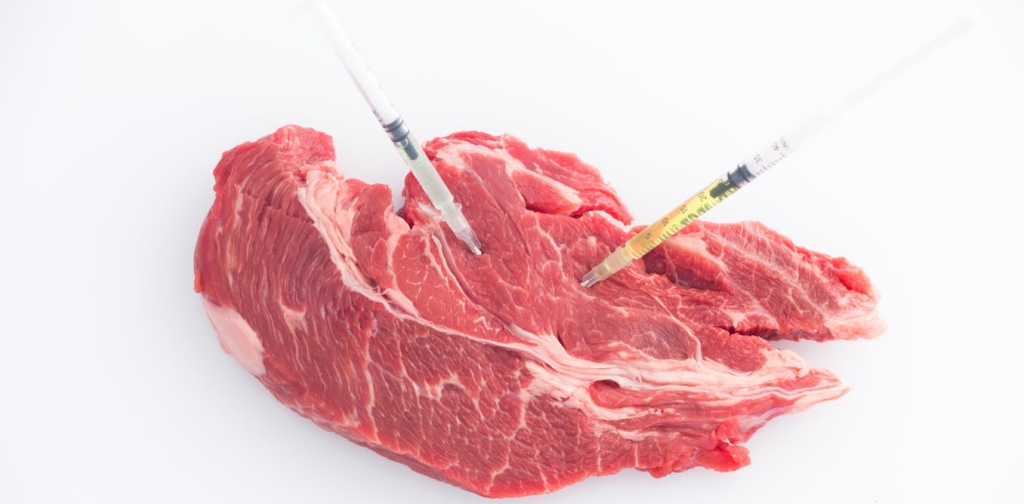

From 3 September 2026, Brazilian beef, poultry and other animal products will no longer be authorised for import into the European Union (EU) or Northern Ireland. England, Scotland and Wales will continue accepting them during a separate UK assessment. The split concerns how antibiotics and other antimicrobial medicines are used in farm animals.
Brazil has not provided the EU with sufficient guarantees that producers meet its rules on antimicrobial use. The regulation cites no tests showing Brazilian meat generally contains unsafe drug residues or antibiotic-resistant bacteria. The dispute concerns how the animals were raised and whether Brazil can verify compliance.



Antimicrobials are medicines that act against microbes. Antibiotics, which treat bacterial infections, are one type. The EU prohibits antimicrobials from being given to food-producing animals to promote growth or increase production. It also prohibits the use in animals of certain antimicrobials reserved for treating serious infections in people. These rules are intended to limit the development and spread of drug-resistant infections.
Northern Ireland follows the EU position under the Windsor Framework, the post-Brexit agreement that keeps it aligned with some EU rules on goods, including food, to avoid a hard border with Ireland.
The restrictions cover beef and other bovine products, horsemeat, poultry, farmed fish, honey and animal casings used for sausages. Brazil can resume these exports if it provides the required guarantees and returns to the EU’s authorised list. Gelatine, collagen, foods combining animal and plant ingredients, and foods from wild animals are outside the requirements.
The Agriculture and Horticulture Development Board (AHDB) reports that UK beef imports from Brazil rose by 33% to about 15,000 tonnes in the first half of 2026. Brazil exports considerably more beef to the EU than to the UK, so AHDB says redirecting only part of the displaced trade could noticeably increase UK import volumes.
The UK is asking its farming sectors to reduce unnecessary antibiotic use. The dispute therefore raises a policy choice about whether imported food should be assessed only through checks on the finished product or also through guarantees about how antibiotics were used during production.
How antibiotic resistance can spread
Antibiotic resistance occurs when bacteria survive drugs that would once have killed them or stopped them multiplying. “Superbug” is an informal term for a drug-resistant microbe.
Whenever antibiotics are used, bacteria vulnerable to the drug may be killed or suppressed while resistant bacteria survive and multiply. This can happen even when treatment is necessary and correctly prescribed. Unnecessary or excessive use gives resistant bacteria more opportunities to survive and spread. Greater antibiotic use has been linked with greater resistance.
Resistant bacteria can move among animals, people, food and the environment. Bacteria can also pass genes that help them survive antibiotics to other bacteria, allowing resistance to spread. Researchers describe antimicrobial resistance as a “one health” problem because human, animal and environmental health are connected.
Food-producing animals are one possible part of this movement. Resistant bacteria may reach people through contact with animals, contaminated food or the environment. Researchers still cannot calculate precisely how much antibiotic resistance in people originates in livestock or foods derived from animals.
The consequences may become visible when someone develops a bacterial infection and an antibiotic fails. This may happen in hospital, although the bacteria or resistance genes may have circulated elsewhere first. A 2022 analysis estimated that bacterial antimicrobial resistance directly caused about 1.27 million deaths worldwide in 2019.
Antibiotics on farms
Antibiotics remain essential for treating bacterial infections in animals and can be lifesaving. Responsible use involves treating disease effectively while avoiding routine or unnecessary treatment.
A review combining 181 studies found that restricting antibiotic use in food-producing animals was associated with lower resistance in those animals. Some evidence also suggested benefits for people, particularly those in direct contact with livestock.
The UK’s reductions have come through a voluntary, sector-led programme supported by government surveillance and targets, alongside improved animal care and disease prevention. A 2025 UK study found that livestock antibiotic sales roughly halved between 2014–15 and 2020–21. The decline was associated with falling resistance in E. coli bacteria collected from pigs and poultry, although this observational study cannot prove that reduced sales caused every change.
What imported-meat testing can show
The EU dispute concerns how animals were raised and whether Brazil can verify compliance throughout their lives. Testing meat after it arrives answers different questions.
Residue testing looks for traces of veterinary medicines and checks whether they exceed legal limits. Resistance testing examines whether bacteria found in food can survive particular antibiotics. Meat could meet the legal limits for drug residues while carrying antibiotic-resistant bacteria.
The UK’s 2026–27 imported-food monitoring plan asks laboratories, where possible, to test salmonella and E. coli from some imported meat samples for antibiotic resistance. Brazilian poultry is among the products prioritised for bacterial or veterinary-medicine-residue testing, although the plan does not say that every Brazilian sample will undergo resistance testing.
Monitoring can detect resistant bacteria in sampled food, but it cannot reconstruct how antibiotics were used throughout an animal’s life or establish how much resistance carried by imported food contributes to the UK’s overall problem. The direction and scale of transmission between food animals and people remain difficult to determine.
Thorough cooking should kill antibiotic-resistant bacteria because they are generally no more resistant to heat than other bacteria. Keeping raw meat away from ready-to-eat food also reduces cross-contamination, when bacteria pass from raw meat to another food or surface. These precautions reduce immediate foodborne risk, but they cannot influence how antibiotics were used on the farm.
Testing imported food addresses only part of the problem because border checks cannot reveal how antimicrobials were used while an animal was raised. Requiring credible guarantees of equivalent standards from exporters would align import policy more closely with the reductions expected of UK farmers. Antibiotic resistance crosses borders, so protecting these medicines requires action in farming and food trade as well as hospitals.
























Comments are closed.