




With the NFL draft taking place in Pittsburgh and an estimated 500,000 to 700,000 people expected to attend the events downtown and on the North Shore, conversations about sex trafficking have resurfaced – as they often do when major events draw large crowds to a city.
But how much of what people believe about trafficking and big events is actually supported by evidence? Mary Burke, a psychology professor at Carlow University who studies this intersection, breaks down what the data shows.


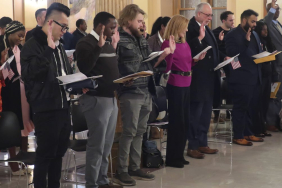
Burke partners with local nonprofit groups that fight human trafficking, such as Eden’s Farm. The organization offered three community training sessions ahead of the NFL draft that focused on recognizing the signs of exploitation, understanding grooming tactics and strengthening prevention strategies.
With Pittsburgh hosting the NFL draft, what does research show about how large events can influence sex trafficking activity?
Researchers have not found conclusive evidence that large events such as the NFL draft, the World Cup or other similarly sized, temporary events cause an increase in sex trafficking. However, experts do believe the crime of sex trafficking is underestimated in general due to a number of factors. Because so much effort goes into concealing trafficking, the crime goes unreported and undetected more often than it’s discovered. The true scale of the problem is likely much larger than the data reflects.
Large events that draw crowds even on a smaller scale than the draft, such as motorcycle rallies and large business conferences, often create opportunities traffickers may try to exploit, according to a 2016 study by researchers at Carnegie Mellon University.
Also, we do see an increased demand for commercial sex with events that draw a large male audience. Some of this demand is met through consensual means and some through force, fraud and coercion, which is the definition of sex trafficking.

How are organizations like Eden’s Farm working on the ground to prevent trafficking during the draft?
Eden’s Farm as well as the Social Impact Institute and Carlow University have led training. The hope is that this will equip citizens and those on the ground – law enforcement, ride share drivers and hotel and restaurant employees, for example – to know how to identify and respond to potential trafficking situations.
Additionally, these groups teach the public how to recognize signs of exploitation, how grooming works and how to strengthen online safety. The training also help families, educators, service providers and community members prevent people they know from being trafficked.
What are common misconceptions people have about sex trafficking during events like this?
One of the most common misconceptions about sex trafficking is the idea that trafficking includes abduction or physical captivity. While kidnapping can occur, many trafficking situations are carried out through psychological coercion rather than physical force. Victims may be controlled through grooming, fraud, intimidation, fear of retaliation against loved ones, or deep emotional dependency on the trafficker.
This translates into a victim not appearing to be restrained physically, which can make identification of a person in distress more difficult.

What signs should the general public look for that might indicate trafficking is happening?
This is tricky, as some of the indicators would be revealed through conversation, rather than observation at a distance. With that said, people should be on the lookout for patterns of control – for example, someone who does not seem to be able to speak freely or move about freely, has money or identification that is controlled by another person, or appears fearful.
In our training, we explain how to become aware of signs that someone is being pressured into commercial sex through manipulation rather than overt violence or consent. No single sign is definitive on its own, but there are some common situational red flags the public can take notice of regarding potential victims: They are coming and going from a hotel room at unusual hours with multiple different people, they are dressed in a way that seems inconsistent with the weather or setting, or they don’t seem to know basic details about where they are or where they’re going.
What are some prevention strategies Pittsburgh could adopt?
For this event and going forward, trafficking prevention should include a city- and county-level plan that can be implemented in relevant agencies. Pennsylvania’s plan focuses on prevention through public awareness and training, especially by equipping transportation workers and the public to recognize and report trafficking.
Prevention plans could include recommendations for the service and hospitality industries that require staff training on recognizing trafficking indicators, such as signs of coercion or restricted movement, and how to report to law enforcement or 911 for a rapid response. There are also a variety of ways to report suspected sex trafficking activity through the National Human Trafficking Hotline. When businesses and service workers interact with people who may be trafficking victims, they should do so in a way that is sensitive, nonjudgmental and doesn’t put the person in danger.
For example, a hotel employee who suspects a guest may be a trafficking victim shouldn’t confront the trafficker directly or make a scene – instead, they should know how to quietly offer help or alert the right people without escalating the situation or making the victim feel ashamed or accused.

















Comments are closed.