


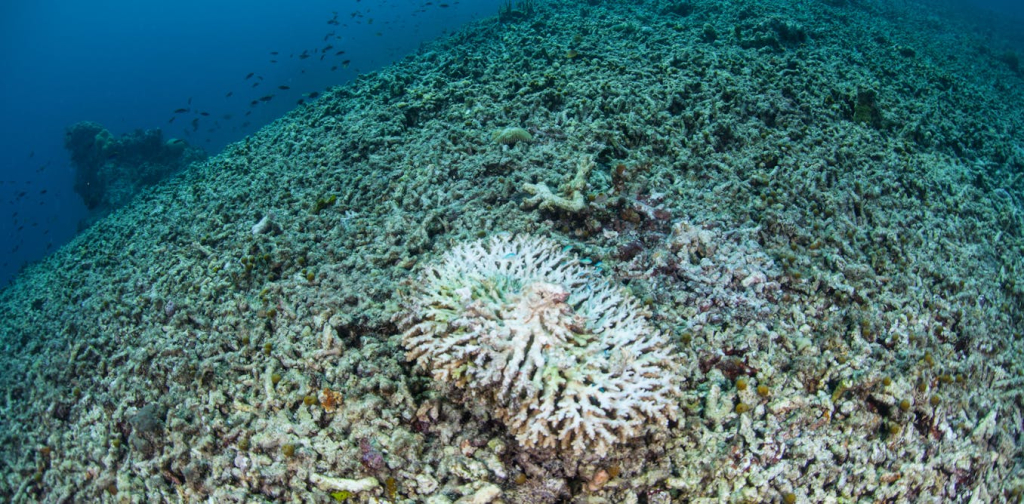

When we think about rapid decline in coral reefs, climate change often first that comes to mind — bringing heatwaves, bleaching events, and intensified cyclones.
But in parts of Indonesia, an old, lasting wound still lingers beneath the waves — inflicted not just by warming seas, but also by explosives.



Blast fishing — where fishers hurl homemade bombs made from fertiliser and kerosene into the sea — is still being used.
This illegal fishing method kills fish instantly for easy collection. As an shattering coral reefs into rubble and wiping out entire reef communities within seconds.
Unlike a fallen tree that can grow back, our research shows that a reef shattered into fragments usually cannot — and may remain damaged for decades.
Rubble that refuses to rest
At first glance, rubble might seem like a natural stage of reef recovery. Storms and cyclones can also break corals into fragments that sometimes stabilise and form a foundation for new coral growth. But rubble from blast fishing is different.
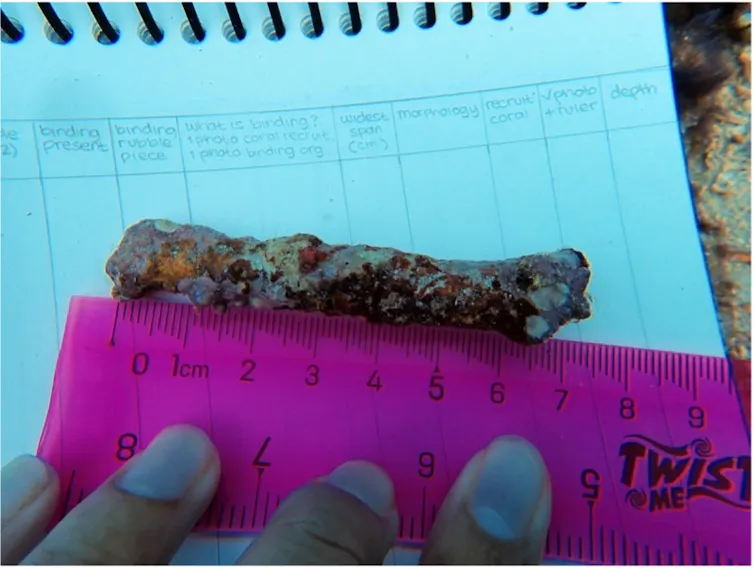
The explosions break corals into much smaller pieces — usually less than 10 cm long. These fragments are light, unstable, and easily swept around by everyday waves and currents. It’s like trying to build a house on marbles instead of bricks: every time you add a piece, the foundation shifts beneath it.
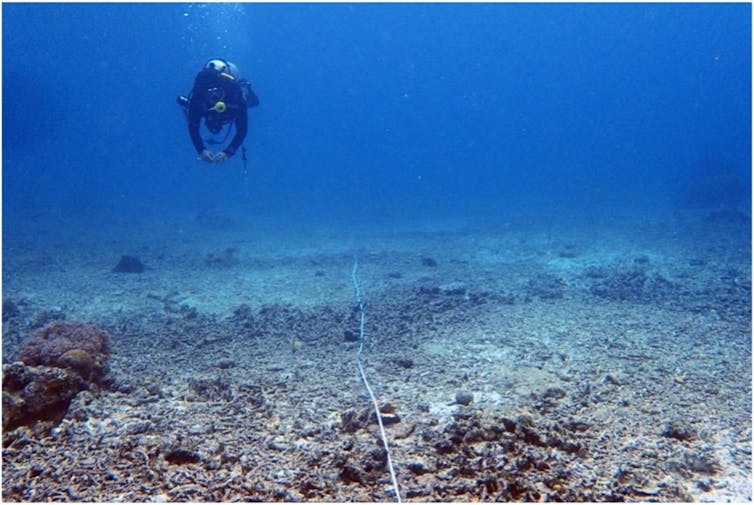
In our surveys across Bunaken National Park in North Sulawesi, we found fewer than 10% of coral fragments stable. Even organisms that typically help “glue” rubble together, such as coralline algae and sponges, were rare. Without stability, young corals struggle to survive — often buried, overturned, or scraped away.
Mixed outcomes from early restoration efforts
One of our study sites underwent “restoration” back in 2003, using ceramic dome-like structures known as EcoReefs. These modules were designed to mimic coral branches, slow currents, and give rubble a chance to stabilise.
Two decades later, the results were underwhelming. Many modules had been overturned or buried, and although some supported coral growth, overall coral cover remained extremely low. In fact, the restored site fared no better than nearby unrestored areas.
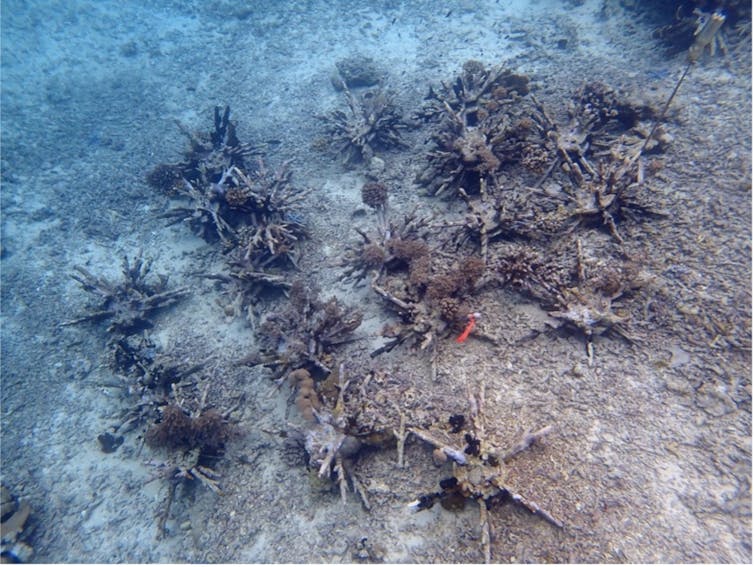
Elsewhere in Indonesia, newer methods such as Mars’s “reef stars” have shown faster recovery. These structures are more effective at stabilising rubble, but they still depend heavily on regular maintenance and monitoring.
When restoration falls short of expectations
Blast fishing is not just a relic of the past. Despite being banned for decades, it still takes place illegally in parts of Indonesia.
Moreover, the legacy of past blasting is immense — vast stretches of reef reduced to rubble, showing no sign of natural recovery.
Our research underscores three key lessons:
-
Not all rubble is the same. Storm-generated rubble is usually larger and more stable, allowing recovery to occur, whereas blast-generated rubble remains persistently unstable.
-
Size matters: longer coral fragments are more likely to stay in place, bind together, and support young corals — whereas blasts mostly produce small pieces that shift too easily.
-
Restoration requires care: structures alone won’t save a reef — interventions must be adapted to local conditions and sustained with ongoing maintenance.
Supporting reef recovery
We found that rubble from blast fishing remains unstable even after decades, with small fragments constantly shifting and preventing young corals from settling and growing. In contrast, larger pieces were more likely to stay in place, bind together, and support new coral recruits.
Our findings suggest that blast-fished reefs are unlikely to recover naturally without human intervention. Restoration must prioritise stabilising the rubble bed and employing structures suited to the site’s specific rubble characteristics. Success depends not only on installing these structures but also on maintaining them over time.
Reef managers should also identify and assess the origin of rubble, characterise the fields and fragments, and select suitable intervention methods before taking action, as we did in our study.
Coral reefs require long-term care to survive, thrive, and keep providing food, coastal protection, and tourism opportunities for millions of people. Successful restoration depends not only on the interventions themselves but also on sustained monitoring and responsible stewardship of the broader environment.
Restoration and responsible stewardship can safeguard the ecological and social benefits of coral reefs. Ultimately, giving degraded reefs a second chance is vital both for the communities that depend on them and for the biodiversity that makes them extraordinary.


















Comments are closed.