


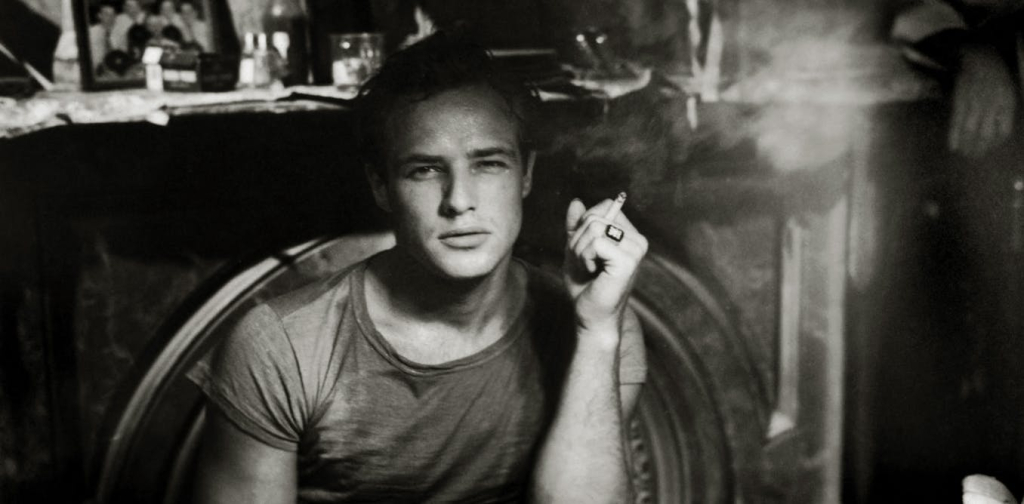

What people see on screen can shape what they do off it. When actors such as James Dean and Marlon Brando lit cigarettes in 1950s rebel films, smoking came to signify cool, defiance and desire for an entire generation.
Among 12- to 17-year-olds in the US, smoking initiation rose from about 20% in the early 1950s to roughly 35% to 40% by the mid-1960s, according to retrospective data from national surveys. Screen media do not simply reflect society. They can also influence how people think about health, risk and behaviour.


Film and television reach vast audiences, embedding health-related behaviours in dramatic storylines. Medical dramas such as Grey’s Anatomy and ER have brought hospital life into living rooms around the world, shaping public ideas about medicine and, for some viewers, even inspiring careers in healthcare.
Sometimes films become accidental public health educators. During the COVID-19 pandemic, the 2011 film Contagion surged in popularity as viewers returned to it for insight into viral spread, quarantine and contact tracing. Its depiction of outbreak control closely mirrored real public health responses, reinforcing messages about handwashing and physical distancing, as described in this report from the Centers for Disease Control and Prevention, the leading US national public health agency. When storytelling aligns with science, entertainment can improve public understanding of health risks.
But screen influence can also be harmful. Bollywood has long shaped popular culture across south Asia, and iconic films in the 1990s and early 2000s often presented smoking and drinking as stylish, casual and glamorous. These portrayals are not trivial. Research suggests that adolescents heavily exposed to tobacco imagery in Indian films are roughly twice as likely to experiment with tobacco as those with lower exposure.
Global evidence shows similar patterns. A systematic review found that adolescents who frequently see smoking in movies are significantly more likely to start smoking themselves. Despite growing awareness of the issue, tobacco imagery remains common: more than half of major box-office films released in 2024 included some form of tobacco depiction. Anti-smoking warnings shown before films can reduce pro-smoking attitudes slightly, but repeated on-screen smoking scenes often have a stronger effect.
Alcohol follows a similar pattern. Teen films often frame drinking as harmless fun while downplaying addiction, injury and long-term health consequences. Studies link heavy exposure to these portrayals with earlier and riskier alcohol use among adolescents. More recently, streaming series have helped make casual vaping seem socially routine, reinforcing the idea that e-cigarettes are acceptable and relatively harmless.
Screen storytelling shapes more than substance use. Hollywood’s beauty ideals, centred on thin bodies, flawless skin and effortless glamour, can distort body image, especially among teenage girls. A striking example occurred in Fiji after western television arrived in the mid-1990s. Within three years, self-induced vomiting to control weight had risen from 0% to 11.3% among adolescent girls, while the proportion showing high levels of disordered eating attitudes rose from 12.7% to 29.2%. In interviews, some girls explicitly linked their interest in weight loss to television characters.
Some portrayals carry even greater risks. Research shows that graphic depictions of suicide in films and television dramas can trigger short-term increases in similar behaviour among vulnerable viewers. These concerns have prompted growing collaboration between mental health experts and entertainment producers to encourage safer storytelling.
Yet screen media can also improve health understanding. The World Health Organization has long supported entertainment-education, in which health messages are woven into dramas and soap operas. In parts of Africa and Asia, television narratives addressing HIV prevention, maternal health and malaria have increased clinic visits, testing uptake and awareness. In Ghana, culturally relevant health films have encouraged women to attend cervical cancer screening and antenatal care.
Read more: Soap operas can deliver effective health education to young people – new research
Some films have also helped shift public attitudes. In 1993, Philadelphia humanised the AIDS epidemic, helping reduce stigma and foster empathy towards people living with HIV. In India, the 2007 film Taare Zameen Par helped destigmatise dyslexia and encouraged schools to take learning difficulties more seriously. Hollywood blockbusters such as Outbreak have heightened awareness about infectious disease threats and preparedness.
Young audiences may be especially responsive to these messages. Children and teenagers spend hours consuming films and streaming content, often absorbing fictional lifestyles as cues about what is normal, attractive or desirable.
Creative media can also support wellbeing in less obvious ways. In my own research exploring online dance sessions for people with pulmonary fibrosis, a chronic lung disease, participants exercised to familiar Hollywood songs and simple choreography. The programme improved mood and engagement while offering modest health benefits, showing that film, music and movement can be harnessed positively.
Film-makers may not think of themselves as health educators, yet their work can shape real-world people’s beliefs and behaviours. A single scene can glamorise smoking or reckless drinking. It can also reduce stigma, encourage people to seek help, or make complex health information easier to understand.
Films are shaped by the societies that produce them, but they shape society in return. The next blockbuster may aim only to entertain. Even so, the story it tells may subtly influence how audiences think about their bodies, their habits and their health.





















Comments are closed.