


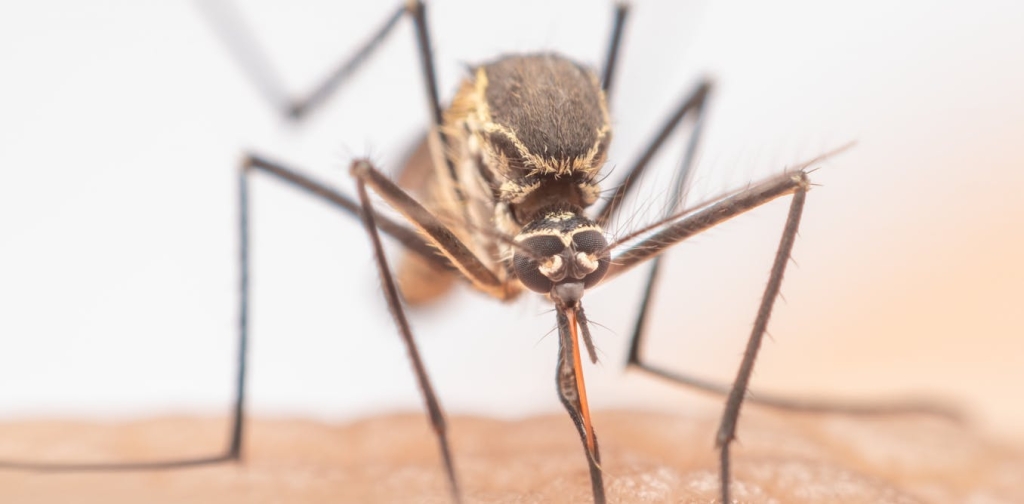

The discovery that a mosquito species capable of transmitting the Zika, dengue and chikungunya viruses is breeding in east London may sound alarming, particularly to people living nearby. Yet finding the species is several steps removed from finding evidence that any of these viruses are circulating locally.
The UK Health Security Agency (UKHSA) has confirmed that Aedes aegypti mosquitoes and larvae have been found at residential properties in east London. This is the first recorded instance of the species breeding in the UK, although it is the fourth time the mosquito has been detected in Britain in recent years.


UKHSA considers the immediate risk to the public very low. It has found no evidence that the mosquitoes have caused human infections, and no mosquitoes or larvae have been detected in nearby public areas.
So what has happened, and what would have to change before these mosquitoes posed a significant threat?
From arrival to local transmission
Aedes aegypti, sometimes called the yellow fever mosquito, is a known vector of the Zika, dengue, chikungunya and yellow fever viruses. A vector is a living organism that can carry an infectious agent between people, or from animals to humans.
This mosquito is particularly well adapted to living near people. It often rests inside buildings, prefers to feed on humans, and lays its eggs in artificial containers including plant pots, water tanks and discarded tyres.
Four separate developments lie between a mosquito arriving in Britain and a locally acquired human infection.
The first is introduction: mosquitoes or eggs are brought into the country. The second is breeding, which means they reproduce after arriving. Both have now happened in east London.
The third is establishment. The European Centre for Disease Prevention and Control (ECDC) defines an established population as one for which there is evidence of reproduction and survival through the winter. UKHSA says Aedes aegypti is not established in Britain and is unable to survive long term in the typical UK climate, which remains too cold overall.
The fourth development is local virus transmission. This would usually begin with a traveller who had acquired an infection abroad and still had the virus circulating in their blood. A mosquito would need to bite that person, become infected and live long enough for the virus to multiply inside it. It could then transmit the virus by biting somebody else.
The ECDC identifies the arrival of infected travellers, active mosquitoes and suitable environmental conditions as essential factors in local dengue transmission.
There is currently no evidence that this chain has occurred in Britain.
How did the mosquitoes reach London?
The most likely explanation is accidental transport, rather than the mosquitoes flying here. UKHSA says invasive mosquitoes can hitchhike in vehicles, baggage and imported plants.
International travel and trade have helped Aedes aegypti spread far beyond its original range. The ECDC reports that the species has historically travelled between continents on ships, and has also been introduced through shipments of used tyres.
The arrival of a tropical species does not, by itself, show that climate change brought it to Britain. But warming becomes important after arrival because temperature affects whether mosquitoes can reproduce, survive and transmit viruses.
This instance of breeding was detected following recent heatwaves. It shows that the mosquitoes reproduced during a period of unusually warm weather, although there is no evidence that they can survive a typical British winter. UKHSA expects a warming climate to bring more incursions and more reports of invasive mosquitoes surviving in the UK.
Across Europe, summer conditions in recent years have favoured the spread and reproduction of invasive Aedes mosquitoes. Warm weather also helps viruses multiply inside the insects. The ECDC expects climate change to lengthen periods of favourable conditions and increase the risk of locally acquired outbreaks.
Aedes aegypti is currently established in Cyprus, Madeira and several overseas regions belonging to EU countries. A recent introduction has also been recorded in Luxembourg, although establishment has not been confirmed there.
Surveillance is Britain’s main defence
The east London mosquitoes were reported through UKHSA’s Mosquito Watch scheme. The agency has introduced measures to destroy the larvae, and increased trapping and monitoring so that any further mosquitoes or breeding sites can be identified and removed.
Residents can reduce possible breeding sites by emptying standing water from buckets, plant pots, paddling pools and other outdoor containers. People who see an unusual mosquito can also report it and send a photograph or specimen to Mosquito Watch.
This discovery is an early warning that Britain needs to prepare for further arrivals. There is no evidence that these mosquitoes have caused a human infection
As Britain becomes warmer, isolated introductions may have more opportunities to survive for part of the year. UKHSA research has concluded future incursions are likely, but that enhanced surveillance can reduce the likelihood of establishment.
Early detection and rapid control will be central to preventing temporary breeding from developing into an established population – and eventually, a greater risk of locally transmitted disease.


















Comments are closed.