


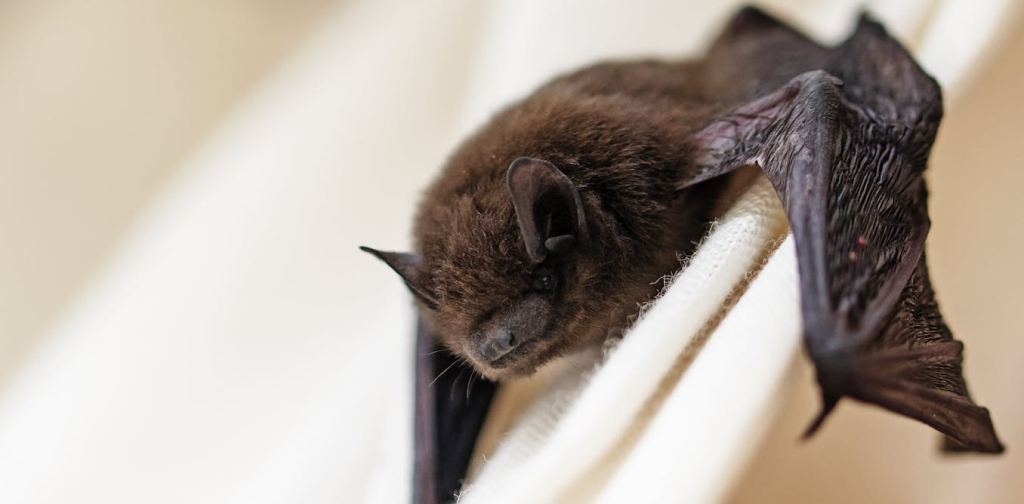

There’s a very good chance that you’ll encounter a bat at some point in your life.
There are more than 1,500 species of these fascinating flying mammals, found in almost all habitats outside the polar regions, and many of them have adapted to living around humans.



The big brown bat, a common species in the United States, likes to hang out in buildings, including the attics of homes. The attraction for a bat makes sense: An attic is very similar to a cave. It is climate controlled, dark and free from predators. It is the perfect spot to rest – until the bat gets discovered by humans.

In spring and early summer, bats are migrating to their summer habitats and are more active when they get there, so they’re turning up in unexpected places.
As a bat biologist, I get many calls and emails at this time of year from people wondering what to do about bats in or around their homes. If you find one in your house or elsewhere, here’s what you need to know. Quick tip: Even if it’s not moving, it’s probably not dead.
To avoid health risks, take precautions
First things first: Even though the risk of getting rabies from a bat is low – about one to three people get rabies in the U.S each year – it is a fatal disease and bats can carry it, so it’s important to take precautions.
If a person gets bitten or scratched by a bat, or if the bat was in a room while someone was sleeping, you will want to contain the bat so it can be tested for rabies. Call your local public health department and seek medical attention immediately.
Fortunately, most bats can be removed from homes safely.
How to remove a bat from your bedroom
If a bat is flying around in a room, start by staying calm. I know, that’s easier said than done.
Grab a pair of gloves, ideally leather work gloves or garden gloves. If there are doors or windows to the outside, open them and see if the bat will fly out on its own.
If you don’t have easy access to the outside, grab a small box or trashcan and a thin piece of cardboard. A flattened cereal box is usually perfect for the cardboard. Slowly approach the bat when it settles down and put the box over the bat. Carefully slide the cardboard between the wall and the box so the bat is contained but not harmed.
Then take the box outside and try to release the bat onto a tree, which would likely mean turning the box on its side and letting the bat crawl out onto a tree branch. Some bats will take right off from the box but others can only fly if they start by hanging upside down.
What to do with bats outside homes
If you spot a bat on the outside of your house, such as on a window screen or siding, just leave it be.
Especially during migration in the spring and fall, bats can get tired. If they are caught in a cold snap, they can go into torpor, like a mini-hibernation, to help survive the cold period when there aren’t insects available to eat for energy.

A bat might not move for several days while resting or waiting out the cold, so don’t worry. I have received countless emails from people thinking a bat was dead when it was definitely alive and just resting.
If a bat is outside and not visibly injured, in most cases, just leave it alone. If it is in an area that could be a risk to human health, such as on playground equipment or a frequently used screen door, you can try to gently relocate it with the same box-and-cardboard method.
If the bat is visibly injured, however, call a local wildlife rehabilitator before doing anything.
What if lots of bats are roosting in your home?
If you discover multiple bats are roosting in your home or attic, things get a bit more complicated. Once bats have established a roost, it is hard to get them to stay out.
People ask all the time if I can come remove bats.
Yes, bats can be removed, but if you don’t also block the hole where the bats are getting in, they will just fly right back.
Before trying to evict bats, think about the timing. If the bats aren’t a threat, it’s best to avoid disturbing them when they might have baby bats with them so the pups aren’t left in the attic to die. In the United States this is generally mid-April to mid-August, but you should check your local state laws. Most states have laws regulating when you can exclude bats to protect them during the maternity season, and the dates will vary by region.
To find how bats are entering your attic, watch different sides of your house around sunset. Starting about 20 minutes before sunset, if the temperature is above 50 degrees Fahrenheit (10 Celsius) outside with no rain, you’ll likely see bats fly off. It could take a couple days of watching to pinpoint the location.
Once you have identified the exit, you will want to make sure the bats can get out but can’t get back in. You can do this with a short piece of 2-inch pipe and some flexible plastic at the end that allows the bats to crawl out of the tube but not reenter it. Once you have had that in place for four to seven nights and you don’t see bats leaving at sunset, you can permanently seal the hole.
Why you should love bats
Even though we don’t want bats in our homes, they are amazing creatures and benefit humans.
Most bat species in the U.S. eat insects. They are critically important for pest control in agriculture, eating insects that eat crops.

If you want to learn to appreciate bats in your own backyard, I encourage you to look up the next time you are outside at night, and hopefully you’ll get the chance to see these impressive creatures in flight.














Comments are closed.