







Per and polyfluoroalkyl substances (Pfas), often called “forever chemicals”, are now found almost everywhere scientists look. They have been detected in rivers, oceans, wildlife, food and even human blood.
These synthetic chemicals have been used since the 1950s in products ranging from waterproof clothing and non-stick cookware to firefighting foams and food packaging. Their strength comes from their resistance to heat, grease and water. But that same durability means they barely break down once released into the environment.
Our new study of the Solent, the stretch of sea between Hampshire and the Isle of Wight in southern England, builds on our previous research. It shows how deeply these chemicals have entered a protected coastal ecosystem. We found Pfas in surface waters, sediments, treated wastewater effluent and marine wildlife. This included seaweeds, invertebrates, fish and harbour porpoises.
But the most important finding was not that Pfas were present. It was that current regulation may be missing the bigger picture.
Most environmental rules still assess Pfas one chemical at a time. In the UK and Europe, monitoring and legal thresholds focus more on compounds such as perfluorooctane sulfonic acid (PFOS) and perfluorooctanoic acid (PFOA). Yet, in the real world, wildlife and people are exposed to mixtures of many Pfas simultaneously. When we assessed our Solent samples using individual chemical thresholds, most species appeared to fall within existing legal limits. Harbour porpoise liver was the major exception. It contained PFOS concentrations far above the ecological standard.
But when we applied a mixture-based approach, the picture changed substantially. We combined the toxicity of multiple Pfas into a single “PFOA equivalent” measure. Many more samples exceeded a European Food Safety Authority health benchmark.
In other words, an organism can appear compliant under single chemical regulation while still carrying a potentially concerning mixture burden.
Read more: The hidden sources of forever chemicals leaking into rivers – and what to do about them
That matters because Pfas do not enter coastal ecosystems from a single source. The Solent is surrounded by wastewater treatment infrastructure, combined sewer overflows, urban runoff and hundreds of historic landfill sites. We identified around 194 combined sewer overflow outlets and more than 500 historic landfills close to the coastline.

We also found that treated wastewater from two major local treatment plants still contained a broad range of Pfas after processing. Conventional wastewater treatment systems are not designed to remove these chemicals effectively. This means they can continue entering rivers and coastal waters even after treatment. Some Pfas behave differently once released. Long-chain Pfas compounds (made up of six or more carbon atoms) such as PFOS tend to accumulate in sediments and animal tissues. Short-chain replacements (compounds which have fewer carbon atoms in their structure) are often more mobile in water. They can spread more widely and more easily through rivers, estuaries and coastal waters.
That difference was visible in our results. Sediments and marine mammals were dominated by PFOS and other long chain compounds. Wastewater, surface waters and some seaweeds contained a broader mixture that included newer short-chain Pfas.
The highest concentrations we recorded were in harbour porpoise liver tissue. Fish and invertebrates generally contained lower levels, but Pfas were still widespread across the food web. We also found evidence that some seaweeds and small invertebrates contained short-chain Pfas and precursor compounds. This likely facilitates the movement of contamination through coastal ecosystems.
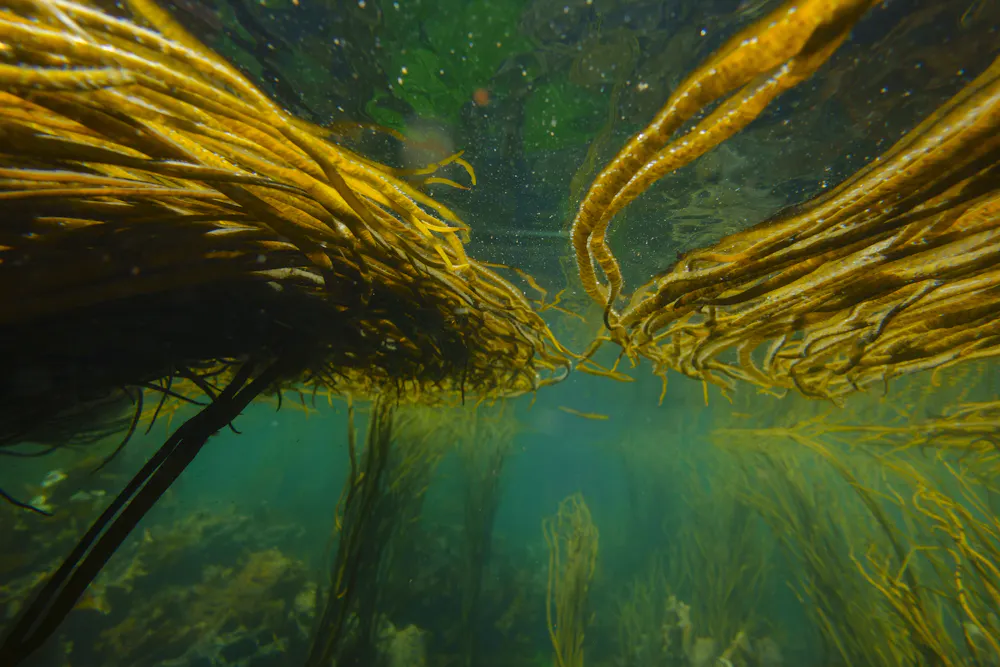
The Solent is internationally important for wildlife. It contains protected habitats, saltmarshes, seagrass beds and feeding grounds for birds and marine mammals. Yet it also sits alongside one of the most densely populated and industrialised stretches of coastline in southern England.
Growing concerns
Our findings arrive as concern about Pfas is growing internationally. The Environment Agency has recently reviewed the challenges of destroying Pfas safely. It noted that conventional disposal routes such as landfilling and wastewater treatment do not eliminate them. Natural England has warned that many Pfas remain poorly monitored in protected marine areas. Meanwhile, the EU is moving towards broader restrictions on Pfas use across thousands of products.
The UK has started paying closer attention too. Evidence submitted to ongoing parliamentary inquiries has warned about the risks Pfas pose to marine ecosystems and human health. Drinking water guidance has recently been updated to expand monitoring requirements. But regulation still largely focuses on a relatively small number of compounds, despite there being thousands of Pfas in commercial use.
There are important limits to our study. Some datasets came from different monitoring programmes with different detection limits. Our surface water sampling was also limited in terms of the number of tests so it’s hard to make direct conclusions about the direct risks to people eating seafood.
But the broader message is difficult to ignore. Pfas contamination is not confined to one species, one pollution source or one part of the food web. It is now embedded across coastal ecosystems.
If regulation continues to assess forever chemicals one compound at a time, we may continue underestimating the true scale of exposure.














Comments are closed.