


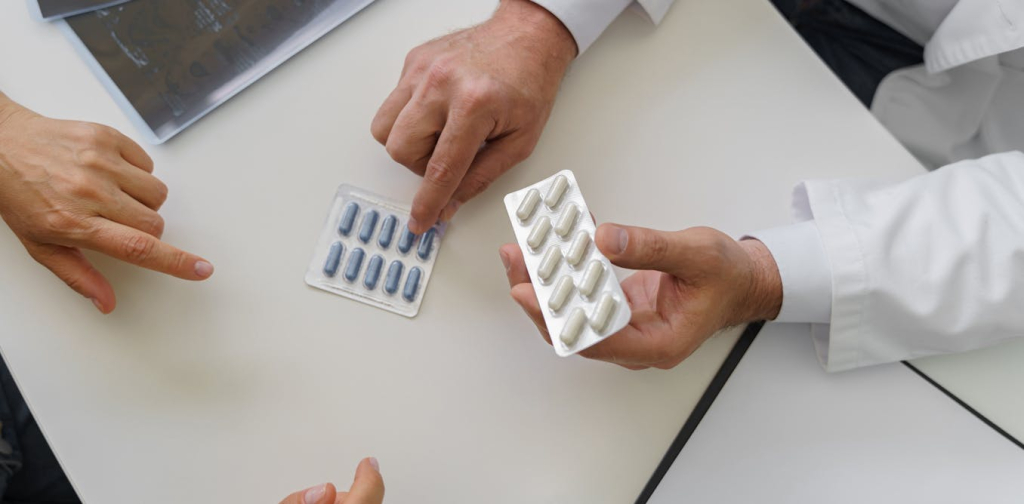

The reliable supply of drugs is fundamental to any healthcare system, yet shortages remain a persistent problem.
Disruptions arise from a range of causes: manufacturing failures, fluctuating demand, regulatory changes and wars. Around 60% of drug shortages are linked to manufacturing bottlenecks, while insufficient reserves of both finished products and raw ingredients continue to leave health systems like the NHS exposed.


The seriousness of the issue has prompted intervention at the highest levels. In the UK, a recent House of Lords report called for more strategic leadership on medicine supply, warning of inadequate oversight and a failure to treat shortages as a matter of national security, despite the clear risks to public health.
Existing government measures – including the National Supply Disruption Response protocol – aim to mitigate the effect of these drug shortages. Pharmacists and GPs are allowed to dispense alternative medicines where appropriate, and doctors may avoid initiating new patients on drugs in short supply. These measures, however, manage scarcity rather than prevent it.
Compounding the problem is the reality that many patients remain on prescriptions they may no longer need. Under pressure, NHS services often lack the capacity to review and safely reduce medications. Such “de-prescribing” must be gradual to avoid withdrawal effects, meaning this potential reserve of medicines cannot be mobilised quickly enough to address shortages.
The UK’s reliance on overseas manufacturing, adds a further layer of vulnerability. A significant proportion of essential medicines are made abroad, often concentrated in a handful of countries such as India, Israel and Ireland. This lack of diversity leaves supply chains fragile, particularly in times of global disruption.
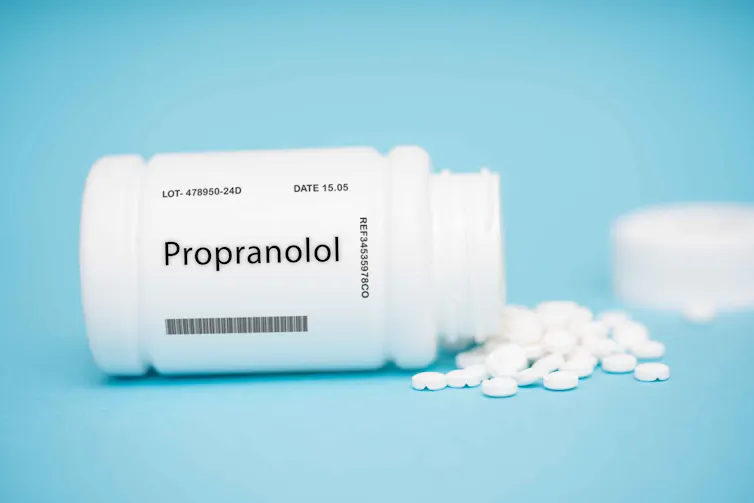
Recent shortages have affected a wide range of treatments, including Ritalin (methylphenidate), used to treat ADHD, propranolol used to treat angina, heart arrhythmia, high blood pressure and anxiety, and medicines used in hormone replacement therapy, diabetes and epilepsy. There are about 120 drugs in short supply in the UK today.
Using equivalent drugs is not straightforward
GPs and pharmacists are empowered to use alternative medicines in a shortage. Some are structurally similar to the missing version. However, differences in how they are produced and how they are delivered in the body mean they aren’t necessarily equivalent.
For example, immediate-release versions of drugs produce sharper peaks and are cleared quickly by the body, leading to a rapid decrease in drug concentration levels in the blood. This creates gaps in symptom control, particularly overnight.
Extended-release versions, by contrast, provide more stable and consistent coverage. Although the total dose may be similar, differences in how the drug is absorbed can affect both how well the drug works and side-effects.
Patients are often on medicines for a long time – sometimes for life – and adapt to them specifically. Adding even a slightly different version is not necessarily tolerated and the patient may be faced with withdrawal or side-effects.
GPs and pharmacists need better information about which medicines can be used when supplies run short. They should discuss these options with patients so they understand what to expect.
Side-effects are easier to manage when patients know they are caused by the medicine, not by their condition getting worse or a new illness. Ideally, patients would receive an identical replacement, but this is not always possible.
Fixing drug shortages will take sustained investment in domestic manufacturing and genuine political will to treat the problem as a long-term priority. Where UK production isn’t viable, the NHS must urgently diversify their overseas suppliers.
In the meantime, frontline staff need the resources to navigate shortages confidently – and patients deserve clear, honest information about any changes to medication.


















Comments are closed.