


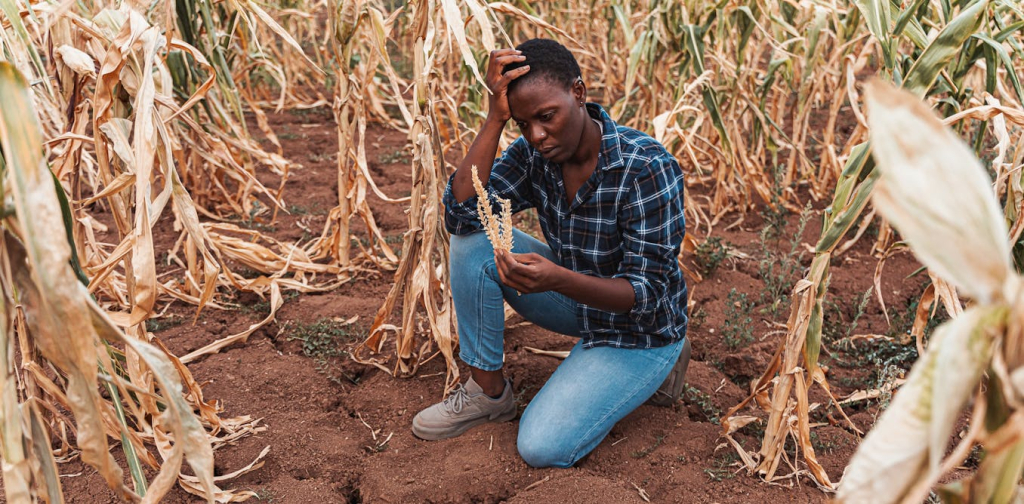

Extreme heat is not just uncomfortable weather – it is becoming a serious threat to health, jobs and food security across southern Africa, especially for those least able to cope.
Unlike floods, cyclones, wildfires or storms, extreme heat rarely leaves dramatic images of destruction. But it builds without relief, putting strain on people’s bodies, homes and health systems.
In many cases, the danger is intensified when temperatures stay high overnight, leaving little chance to recover.
Read more: Heat with no end: climate model sets out an unbearable future for parts of Africa
Even temperatures that seem manageable can be dangerous, depending on where people live and how well they can adapt.
We are members of a group of researchers and practitioners from across southern Africa working on climate, health and policy.

We recently conducted a regional consensus study for the Academy of Science of South Africa (ASSAf) to assess how extreme heat affects health and daily life across the region. Our aim was to determine what practical steps are needed to reduce the harm caused by extreme heat.
We worked with a team of independent experts from across disciplines to review scientific evidence, regional data and policies, and to develop a shared, evidence-based view of how extreme heat is affecting the region.
Our study was unique because it brought together evidence from across health, labour, food systems and infrastructure to show how heat affects everyday life, analysing heat not just as a weather event, but as a system-wide risk.
Read more: Heat extremes in southern Africa might continue even if net-zero emissions are achieved
We found that extreme heat is already a defining climate and health threat in southern Africa.
One of the biggest mistakes in public discussion is to treat heat as simply a weather event. It is much more than that. Heat immediately increases the risk of dehydration, heat exhaustion and heat stroke. Heat can also worsen existing conditions such as cardiovascular, respiratory and renal (kidney) disease.
Heat needs to be treated as a major public health and development priority across the Southern African Development Community.
Heat is a health issue – not just a weather issue

The Southern African Development Community has 16 member states, home to more than 400 million people. Yet collectively, these countries contribute less than 1.3% of global greenhouse gas emissions.
Despite this, southern Africa is already heating up fast. Average surface temperatures across the region have risen by 1.0-1.5°C since 1961. A further 4.5-5°C increase is projected by 2050 under high-emission scenarios (where fossil fuel companies continue to pollute at the same rate as they are now).
Read more: Climate change has doubled the world’s heatwaves: how Africa is affected
In our report, we describe extreme heat as an “integrator hazard” (a multiplier). This means it is not only one risk but makes existing problems worse all at once.
For example, extreme heat can reduce crop yields and nutrient quality, increase water stress, worsen air quality through dust and wildfire smoke, and disrupt livelihoods that depend on safe outdoor work – all at the same time. That is what makes heat so dangerous.
It can also make already hot environments – especially informal settlements with limited shade, ventilation or cooling – far more dangerous. Extreme heat can place added strain on electricity systems. This increases the risk of power outages just when cooling, water supply and health services are most needed.
In many communities, heat also shortens the safe life of perishable food – including food sold informally that isn’t stored in fridges. This too increases the risk of food-borne illness. That matters in a region like southern Africa where street food and informal food economies are part of everyday life.
The burden is deeply unequal
Extreme heat does not affect everyone equally. One of our study’s central findings is that the people and communities most exposed to heat are often those with the fewest resources to adapt. This includes people living in informal settlements, those without reliable electricity or cooling, communities facing water scarcity, and workers who must work outside all day.
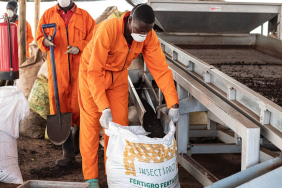
Across much of southern Africa, many people work outdoors or in poorly ventilated environments – from subsistence farms and construction sites to factories, markets and transport hubs. Being forced by heat to slow down, stop work, or continue working under dangerous conditions affects both health and livelihoods.
Read more: Zambia’s farmers are working in dangerous heat – how they can protect themselves
Heat exposure affects daily life: children may walk long distances to school or spend hours outdoors. It affects pregnancy and newborn health, causing risks such as premature birth, low birth weight and pregnancy complications.
For this reason, extreme heat is also an ethical and justice issue. The people who contribute least to climate change are often the ones most exposed to its effects – simply because of where they live, the work they do, and the resources available to them.
What governments should do now
Extreme heat is not a problem that can be solved simply by telling people to “drink more water” or “stay indoors” – especially where safe housing, water, electricity and cooling are not guaranteed. But there are practical measures that governments and institutions can take.
These include:
-
improving locally appropriate early warning systems
-
tracking heat-related illness and deaths to guide response and planning
-
making clinics and hospitals more climate-resilient, through reliable electricity, cooling, water supply and backup systems
-
protecting workers through rest breaks, shaded areas, access to water and adjusted working hours
-
improving urban design and housing so that buildings and neighbourhoods stay cooler
-
integrating heat into national climate and health planning.
Governments can also establish public cooling spaces – such as community centres, schools or clinics – where people can safely rest during extreme heat.
Read more: Climate change: the effects of extreme heat on health in Africa – 4 essential reads
There are already promising examples in the region. South Africa has begun strengthening heat-health early warning and surveillance systems. Malawi is helping farmers adapt to rising temperatures in climate-smart agricultural planning.
Namibia has supported community-level water and resource management in heat-prone areas. These examples show that progress is possible, but they need to be expanded and sustained.
Heat does not respect borders, and coordinated action within countries and across borders can better prepare countries for heat disasters. National meteorological services, health departments, local governments, labour authorities and emergency services should work together so that heat warnings lead to clear, coordinated action on the ground.
For too long, extreme heat has been treated as a secondary climate risk. That is no longer tenable. Heat now needs to move to the centre of climate policy. The question is no longer whether southern Africa can afford to act. It is whether it can afford not to.















Comments are closed.