



Parts of northern Australia are battling record-breaking floods, after heavy rain caused major rivers across Queensland and the Northern Territory to break their banks.
In some communities, residents and first responders are still bracing for more flooding. Meanwhile, authorities are starting to assess the damage done to homes, farms and businesses.



But these floods have also impacted key infrastructure, including the pumping system at Darwin’s main dam. This led NT Health to issue a “boil water alert”, which remains in place for parts of the Northern Territory.
So should residents be concerned about water contamination? And what can you do to make sure water is safe to drink?
How do floods affect drinking water?
Floods can significantly reduce water quality in both urban and regional or remote communities.
In urban areas, flooding can damage key water infrastructure. If pumps or other machinery are impacted, this disrupts daily water operations which ensure water is disinfected and safe to drink. Floods can also cause wastewater, particularly from sewage, to become mixed with drinking water.
In regional and rural communities, floods may cause other contaminants to enter drinking water supplies. These may include waste from livestock or other agricultural processes. Many rural residents also have their own water tank and sewage systems, such as a septic tank. During a flood, the contents of these two systems may become mixed.
In both situations, floodwaters can become a “bacterial soup” of harmful pathogens.
What pathogens should I be concerned about?
It depends on what is actually contaminating the water supply. In cities it may be household rubbish or domestic pets, while in rural areas it may be agricultural waste.
But the biggest danger is human waste from sewage systems. Sewage systems are usually built in low-lying areas, which means they are usually the first type of infrastructure to flood.
Sewage contains various microbes, including viruses, bacteria and protozoa, which can cause disease in humans. One example is cryptosporidium, a parasite found in the poo of infected people and animals. If it enters your intestine, this parasite can cause long-lasting diarrhoea and stomach cramps.
Other harmful microbes include giardia, a parasite which is particularly common in children, and strains of Escherichia coli. Sewage may also contain norovirus, a highly contagious virus that causes diarrhoea and vomiting.
Authorities earlier this week issued a “boil water alert” for Darwin and surrounding areas. This means residents should use boiled or bottled water for drinking, cooking, preparing baby formula and brushing their teeth. It is rare to have a city-wide boil water alert in place. The last time this happened was during Sydney’s 1998 water quality crisis, where flooding led to a spike in levels of cryptosporidium and giardia in the city’s water supply.
If in doubt, boil it out
So does boiling water actually help?
Yes, because boiling kills any harmful pathogens which may be in water. This includes microbes such as cryptosporidium and giardia which are quite resistant to chlorination, a common way of treating water.
But boiling is only effective if you:
- keep the water on a rolling boil, meaning it should be bubbling or simmering, for at least one minute
- cool the water by putting it in a covered container in the fridge
- store any previously boiled and cooled water below five degrees Celsius for up to a week, before discarding it.
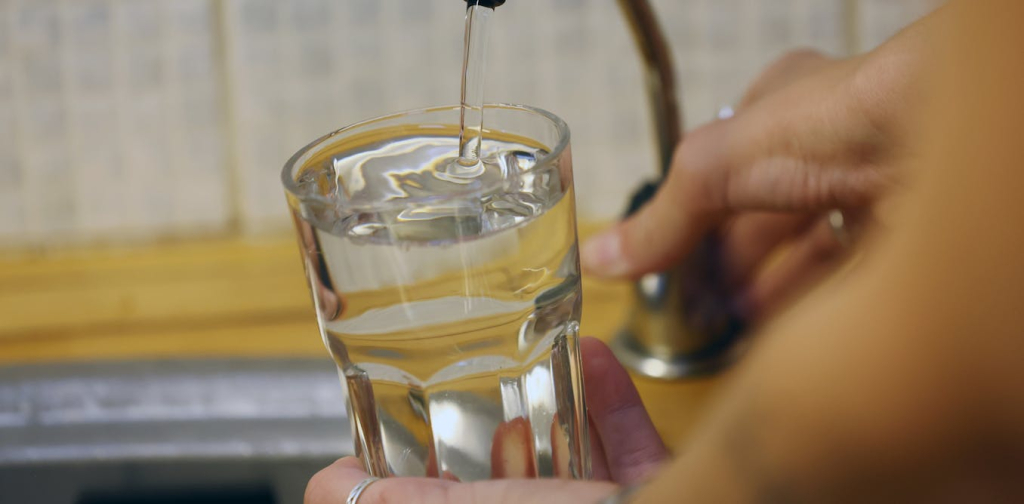
You can also look out for visual signs of contamination by filling a clear glass with tapwater. If the water looks cloudy or discoloured, it’s best to boil and cool it in a container in the fridge. That way any sediment will fall to the bottom of the glass. You can contact your water supplier so they can check for any potential contaminants.
You can also use a filter to get rid of sediment. But given microbes are extremely small, they may still pass through the filter. So to be safe, it’s best to boil water even after using a filter.
Is there anything I should avoid?
There may be a low risk of getting sick from using contaminated water, but it’s best to reduce your exposure to it.
So if your water supply isn’t safe to drink, you should avoid:
- swallowing any tapwater while showering or brushing your teeth
- giving children a shower, instead washing them using a sponge or in a bath
- washing your hands with tapwater, instead washing them in a bowl of previously boiled and cooled water.
However, if you accidentally swallow contaminated water, you don’t need to panic. But if you have adverse symptoms such as diarrhoea, nausea, or stomach cramps, it’s best to speak to a doctor. This is particularly important for children, the elderly, and people with weaker immune systems.
















Comments are closed.