


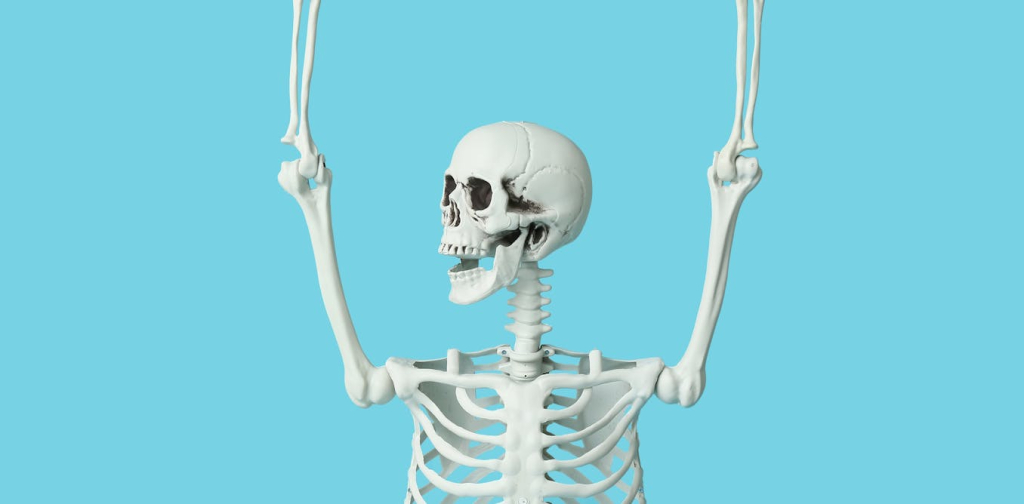




Your bones may seem like the most permanent part of your body: hard, solid and finished. In reality, they’re under constant renovation. Every day, tiny teams of cells are breaking down old bone and building new bone in its place.
Throughout life, bones are continuously renewed in a process called “remodelling”. The cells responsible have their own biological clocks, much like the ones that help regulate sleep, hunger and countless other daily rhythms.
Two types of cells keep the process going. Osteoclasts remove old or damaged bone, and osteoblasts then lay down fresh bone to replace what was lost. Researchers have found that this cycle follows a daily rhythm with bone breakdown generally highest earlier in the day, while bone formation tends to peak later. The circadian clock inside bone cells appears to keep these two phases separated, ensuring that each process happens at the most favourable time.
One of the signals helping to coordinate this rhythm is melatonin. It’s often described as a sleep hormone, but melatonin is really a hormone of darkness. As light fades in the evening, its levels rise, telling the body that it’s night, whether you’re asleep or not.
In bone, melatonin seems to suppress osteoclast activity while supporting osteoblasts. Both melatonin levels and markers of bone formation reach their highest levels overnight. That suggests habits that interfere with the normal rise and fall of melatonin – late-night screen use, irregular sleep or eating late in the evening – may also disrupt the signals that help maintain healthy bone.
As we get older, these daily rhythms become less pronounced. Researchers think that weakening circadian signals may be one reason bone loss, osteoporosis and fractures become more common with age. Modern lifestyles, with artificial light and irregular schedules, may push those rhythms even further out of sync, raising the question of whether realigning them could help protect bone health in return.
Treating the clock, not just the bone
This idea sits at the heart of circadian medicine: treating disease by paying attention not only to what medicine people receive, but when they receive it.
There’s already some evidence that timing matters. In one animal study, melatonin supplements protected bone more effectively when given during the day than at night – a surprising result for a hormone usually associated with darkness. It’s only an early finding, but it highlights how much there is still to learn about the body’s internal timing.

Fortunately, the same habits that support overall circadian health are also likely to benefit your skeleton. Keeping regular sleep and wake times, getting daylight early in the day, eating earlier rather than late at night and sticking to a consistent routine all help keep the body’s clocks aligned. Shift workers, whose schedules regularly conflict with those clocks, may have the most to gain.
Exercise may have a timing component too. Bone appears to respond more strongly to mechanical loading during the body’s active phase, raising the possibility that when you exercise could influence how much your skeleton benefits.
Your bones aren’t something you notice from one day to the next. They adapt over years, responding to the choices and routines that shape the rest of your health. Sleep, light and timing may seem far removed from your skeleton, but your bones have been keeping track all along.






















Comments are closed.