


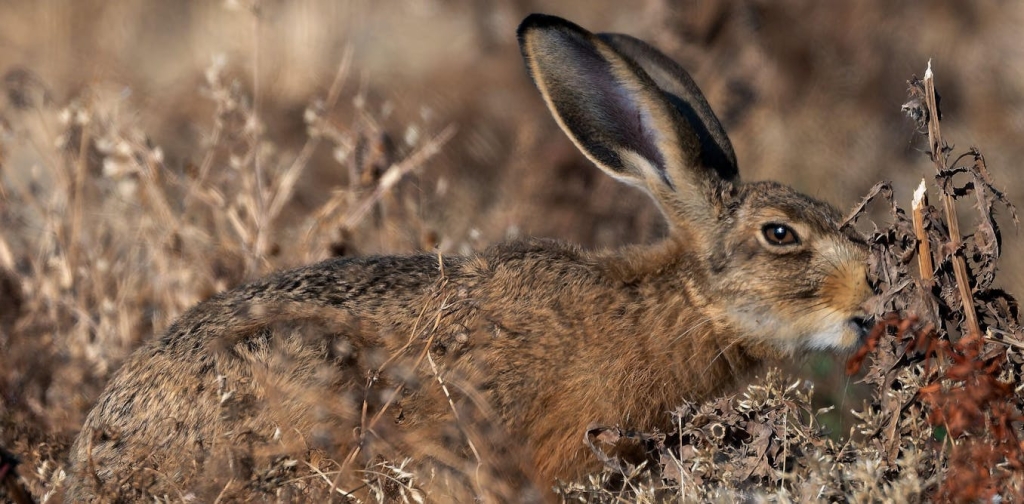

While wildfires dominated the headlines this summer, the effects of extreme heat and drought are also visible on a much smaller scale: parched lawns, wilting and browning trees and dry ditches and bogs. These changes may look temporary, but for wildlife they can have consequences that last long after the rain returns.
In some parts of the world, species have evolved to adapt to extreme heat and drought. However in Britain, which has a history of cold winters, cool summers and abundant rain, there hasn’t been any pressure to evolve such adaptations. When the extreme weather arrives, British flora and fauna generally suffer.



For some plants, coping is relatively easy. The straw-coloured lawn is the sun bleaching your grass following cessation of growth. Hence your lawn hasn’t needed a cut since spring. However the roots survive and will sprout new leafy growth again once the rain arrives.
Mosses and liverworts are even more resilient, entering a state of dormancy once they dry out. Sphagnum mosses, which form bogs that are vital to holding water in the uplands, will also recover providing the drought is only short term.
Living without much water
The greater impact will be on the animals that depend on these wet places. Many invertebrates need bogs and ditches to complete their life cycles, for instance, so even a temporary loss of water is bad news.

For tree species continuous water supply is essential. A mature oak can use hundreds of litres of water per day. If its roots can’t supply enough water, leaves begin to die and branches will be lost. This is why so many trees have turned brown or even shed their leaves during this summer’s hot weather.
Fish and aquatic invertebrates face a different problem. These species extract oxygen from water, but warm water holds less oxygen than cold water and being in low oxygen water places them under considerable stress. On the hottest days this year, I have seen many small fish gathered around aquatic plants in my local canal, seeking the areas with the highest oxygen levels.
Birds and mammals also need more water in hot weather as they rely on evaporative cooling to keep their body temperature down. Mammals may lose water through sweating or panting, while birds cool themselves mainly by panting or fluttering their throats to encourage evaporation.
That explains why heat-stressed blackbirds with their beaks open have been a common sight in my garden this year. They have also sought the shade, resting with their wings held slightly open – both signs they are trying to keep cool.

Hot weather tends to favour aerial insects, given that cool or wet weather restricts their opportunities to fly and therefore to feed and mate. While we await the results of this year’s Big Butterfly Count, my own small Lancashire garden has seen gatekeepers for the first time and good numbers of common blues.
But more butterflies in the air does not necessarily mean they are having a good year.
When drought disrupts the food chain
Butterflies depend on particular plant species at different stages of their lives. Adults may feed on nectar from many different flowers, but their caterpillars tend to rely on a specific plant. If this host plant is struggling with the lack of water then the larvae will have nothing to feed on.

For instance the northern brown argus lays its eggs in June and July on common rock rose, a plant generally found on south facing limestone in northern England. This year, by the time the caterpillars emerged in August to feed, many of those plants were little more than crisps. If there is little food for the caterpillars, the effects may not be obvious until next year, when fewer adult butterflies emerge.
This potential breaking of the close linkage between invertebrates and plants, particularly for the rarer, highly specialist species, is likely to lead to reduced numbers. There is also likely to be a knock-on effect higher up the food chain. Fewer butterflies and caterpillars will mean less food for songbirds, spiders or frogs, for instance.
There are some simple things that the house dweller can do to support wildlife at this time. A shallow trough of water gives birds somewhere to drink and bathe. Leaving some of the lawn plants we normally regard as weeds – such as the dandelion-like cat’s ear – provides nectar and pollen for insects. Additionally leaving some parts of the garden to grow taller and develop shade can also help wildlife, while also making the garden more comfortable for us humans.

















Comments are closed.